Brain Health Tips From a Doctor: The Daily Habits That Keep You Sharp
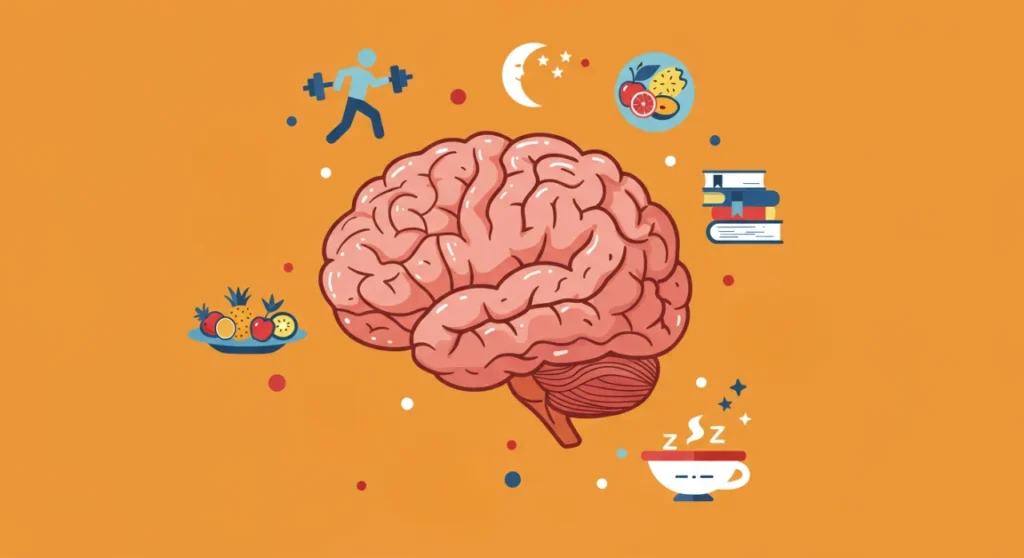
Did you know nearly 50 million people worldwide live with dementia? This number is expected to triple by 2050. This shows how vital it is to keep our brain health as we get older. Simple daily habits can greatly improve our brain function, reducing the risk of cognitive decline and diseases like Alzheimer’s.
We will look at the best ways to keep your brain healthy. We’ll explore easy, science-backed tips for your daily life. These include challenging your mind, staying active, managing stress, and getting good sleep. These habits can really help.
Key Takeaways
- Simple daily habits can significantly impact cognitive health.
- Challenging your mind is key for brain health.
- Physical activity lowers the risk of cognitive decline.
- Managing stress and getting quality sleep are vital for brain health.
- A healthy diet and lifestyle are critical for keeping your brain sharp.
Stay Physically Active for Optimal Brain Health
Regular physical activity is key for a healthy brain. Exercise boosts both physical health and brain function. It helps keep your mind sharp and your brain healthy.
Why Exercise Matters for Your Brain
Exercise is great for your brain. It increases blood flow, which helps your brain work better. It also helps grow new brain cells. This makes it easier to remember things and stay focused.
“Exercise is a celebration of what you can do, not a punishment for what you ate,” Harvey Mackay said. This view makes exercise fun and easy to keep up with.
“The mind is everything. What you think you become.” – Buddha
Recommended Activities for Brain Fitness
There are many ways to keep your brain fit through exercise. Here are some good ones:
- Aerobic exercises like walking, cycling, or swimming
- Resistance training to build strength
- Flexibility exercises such as yoga or Pilates
- High-intensity interval training (HIIT) for cardiovascular benefits
These activities help your body and mind. For example, aerobic exercises improve your brain’s ability to adapt and change.
How Much Exercise Is Enough?
The World Health Organization says you need at least 150 minutes of moderate exercise or 75 minutes of vigorous exercise a week. Finding the right amount for you is important. Make sure to include physical activity in your daily plans.
To make exercise a habit, try these tips:
- Schedule physical activity into your daily planner
- Find an exercise buddy or join a fitness group
- Mix up your routine to avoid boredom and prevent plateaus
- Track your progress and celebrate small victories
Adding physical activity to your life can greatly improve your brain health and overall well-being.
Nourish Your Brain with a Healthy Diet
Eating well is key to keeping your brain sharp. A diet full of veggies, lean proteins, and whole grains is best. It helps your brain stay focused and healthy.
Superfoods to Boost Brain Function
Some foods are better than others for your brain. Here are the top ones:
- Blueberries: They’re full of antioxidants, which protect your brain.
- Nuts and Seeds: They have healthy fats and omega-3s, great for your brain.
- Leafy Greens: They’re rich in vitamins and minerals, good for your brain.
The Importance of Omega-3 Fatty Acids
Omega-3s are vital for brain health. They help with thinking and might lower the risk of brain problems. You can find them in fatty fish, nuts, and seeds.
| Food | Omega-3 Content | Benefits |
|---|---|---|
| Salmon | High | Supports brain function and heart health |
| Walnuts | Medium | Rich in antioxidants and healthy fats |
| Chia Seeds | High | Supports heart health and cognitive function |
Hydration: The Overlooked Key to Brain Health
Drinking enough water is vital for your brain. Even a little dehydration can hurt your brain’s performance.
To keep your brain hydrated, drink lots of water. Avoid sugary drinks and too much caffeine, as they can dry you out.
Prioritize Quality Sleep to Enhance Cognitive Function
Getting quality sleep is key for sharp thinking and brain health. Our brain sorts and strengthens memories while we sleep. Not enough sleep can hurt our ability to focus, make decisions, and solve problems.
The Connection Between Sleep and Memory
Sleep is vital for memory. Studies show that during sleep, the brain replays and strengthens memories. This helps us learn and remember better.
A study in the Sleep journal found sleep loss hurts memory and thinking. So, getting enough sleep is important for our brains to work well.
Tips for Improving Sleep Quality
To sleep better, keep a regular sleep schedule and make your bedroom cozy. Here are some tips:
- Stick to a sleep schedule: Go to bed and wake up at the same time every day, even on weekends.
- Create a bedtime routine: Engage in relaxing activities like reading or taking a warm bath before bed.
- Optimize your sleep environment: Ensure your bedroom is dark, quiet, and at a comfortable temperature.
- Limit exposure to screens before bedtime: The blue light emitted by smartphones and computers can interfere with your sleep.
- Avoid stimulants before bedtime: Reduce or avoid caffeine and nicotine in the hours leading up to bedtime.
Avoiding Sleep Disruptors
Many things can mess with your sleep, like lifestyle choices and the environment. Knowing what disrupts your sleep can help you avoid it.
Some common sleep disruptors include:
- Caffeine and nicotine: Both can make it hard to fall asleep.
- Electronic devices: The blue light from screens can stop melatonin production.
- Stress and anxiety: High stress can keep you awake. Relaxation techniques can help.
- Irregular sleep schedules: Unpredictable sleep times can mess with your body’s clock.
Understanding sleep’s role in brain health and improving it can boost your brain. For more mind improvement tips and ways to improve brain function, check out our other articles on brain health tips.
Engage in Mental Stimulation Activities
Doing activities that challenge your mind is key to keeping your brain healthy. As we get older, our brains change, which can affect how we think. But, by doing mentally stimulating things every day, we can slow down these changes and even make our brains better.
The Role of Puzzles and Games
Puzzles and games are great for keeping your brain sharp. Things like crosswords, Sudoku, and chess are fun and good for your brain. They help with solving problems, remembering things, and focusing.
- Crosswords and word searches improve linguistic skills and memory.
- Sudoku enhances logical reasoning and problem-solving abilities.
- Chess and other strategy games promote critical thinking and analytical skills.
A study in the Journal of Alzheimer’s Disease found that puzzle games can build cognitive reserve. This might help delay dementia symptoms.
“Engaging in mentally stimulating activities throughout life is associated with a lower risk of cognitive decline in older age.”
Lifelong Learning: Keep Your Brain Active
Learning new things is another way to keep your brain active. Learning a new skill or hobby can make your brain work harder. This is good for your brain health.
| Activity | Cognitive Benefit |
|---|---|
| Learning a new language | Improves memory and linguistic skills |
| Playing a musical instrument | Enhances auditory skills and memory |
| Engaging in a new hobby | Promotes problem-solving and creativity |
Benefits of Reading for Cognitive Health
Reading is a powerful way to keep your mind sharp. It can make your memory better, increase your vocabulary, and lower stress.
Tips for incorporating reading into your routine:
- Set aside dedicated time for reading each day.
- Explore different genres to keep the content interesting.
- Join a book club to stay motivated and engaged.
By doing these mentally stimulating activities, you can help keep your brain healthy. This can improve your life quality.
Develop Strong Social Connections
We are social creatures, and our brain health depends on our social interactions. Being alone or feeling lonely can harm our brains, leading to depression and stress. But, being active socially and having strong relationships can protect us and keep our minds sharp.
The Impact of Relationships on Brain Health
Good relationships can lower the risk of brain decline and dementia. Healthy connections give our brains emotional support and mental challenges. This boosts our brain health and makes us more resilient.
Also, social interactions keep our brains active. This can be through talking, doing things together, or supporting each other emotionally. This activity is key for keeping our minds sharp and healthy.
Activities to Foster Social Interaction
Doing things with groups is a great way to meet people. You can join clubs, volunteer, or go to community events. These activities help us find new friends and feel like we belong.
- Join a book club or a sports team
- Participate in community gardening
- Attend local events or workshops
Adding these activities to our lives can make our social connections stronger. This, in turn, supports our brain health.
Volunteering: A Brain-Boosting Endeavor
Volunteering is a great way to meet people and help others. It gives us a sense of purpose and happiness. Plus, it lets us work with others, whether it’s helping directly or as part of a team.
Benefits of Volunteering:
- Increased social interaction
- Enhanced sense of purpose
- Opportunities for learning new skills
Volunteering is good for our brains and helps our communities too.
Manage Stress Effectively
Understanding and managing stress is key to keeping our brains sharp. Chronic stress can harm our brain health, affecting memory, mood, and overall well-being.
The Effects of Chronic Stress
Chronic stress releases cortisol, a hormone that can damage the brain’s hippocampus. This area is vital for memory and learning. Issues like memory problems, difficulty concentrating, and mood disorders can result.
Key effects of chronic stress on the brain include:
- Reduced volume in the hippocampus
- Impaired cognitive function
- Increased risk of mental health disorders
Mindfulness and Meditation Techniques
Mindfulness and meditation are great for managing stress. They help lower cortisol levels, improve cognitive function, and boost well-being.
Simple mindfulness exercises include:
- Focused breathing
- Body scan meditation
- Mindful walking
Regular mindfulness and meditation practice can improve emotional control and reduce stress.
Breathing Exercises for Instant Relief
Breathing exercises are quick and effective for stress management. Techniques like diaphragmatic breathing calm the nervous system, reducing stress and anxiety.
| Breathing Technique | Description | Benefits |
|---|---|---|
| Diaphragmatic Breathing | Focus on expanding the belly while breathing | Reduces stress, promotes relaxation |
| 4-7-8 Breathing | Breathe in for 4 seconds, hold for 7, out for 8 | Promotes calmness, reduces anxiety |
For more tips on improving brain health and managing stress, check out our related articles on brain health tips and ways to improve memory.
Limit Alcohol and Stay Away from Drugs
Keeping your brain healthy means making smart choices. This includes not drinking too much alcohol and staying away from drugs. Using substances can harm your brain, affecting how well you think and feel.
Drinking alcohol or using drugs changes how your brain works. It can cause memory problems, make it harder to think clearly, and even damage brain cells.
Effects on Brain Health
Substances like alcohol and drugs can harm your brain in different ways. Alcohol can damage the part of your brain that helps you remember things. Drugs can mess with your brain’s reward system, leading to addiction. Knowing these risks helps you make better choices.
| Substance | Short-term Effects | Long-term Effects |
|---|---|---|
| Alcohol | Impaired judgment, coordination issues | Memory loss, increased risk of dementia |
| Drugs (e.g., opioids, cocaine) | Euphoria, altered perception | Addiction, cognitive impairment, possible overdose |
Healthier Alternatives to Unwind
It’s important to find better ways to relax and handle stress. Things like meditation, yoga, and deep breathing can help without the harm of substances.
- Meditation: Regular practice can reduce stress and improve cognitive function.
- Yoga: Combines physical movement with mindfulness techniques to enhance well-being.
- Deep Breathing Exercises: Simple yet effective for reducing stress and promoting relaxation.
The Importance of Moderation
If you do choose to drink alcohol, do it in moderation. Drinking less can help protect your brain. It’s also key to know the dangers of binge drinking and to not drink if you might become addicted.
Tips for Moderation:
- Set limits for alcohol consumption.
- Avoid drinking alone or when stressed.
- Choose low-risk drinking options, such as having a drink with food.
By choosing wisely about substance use and adopting healthier habits, we can keep our brains healthy and sharp as we get older.
Protect Your Brain from Injury
It’s important to take steps to protect your brain for your long-term health. Brain injuries can affect your thinking and overall health for a long time.
Common Brain Injuries and Their Prevention
Brain injuries can happen from falls, sports accidents, and car crashes. Knowing why they happen helps us prevent them.
- Falls: Installing handrails, removing tripping hazards, and improving lighting can reduce fall risk.
- Sports Injuries: Wearing appropriate safety gear, such as helmets, can significantly reduce the risk of head injuries during sports.
- Vehicle Accidents: Wearing seatbelts and following traffic rules can help prevent head injuries.
The Importance of Safety Gear
Safety gear is key in preventing brain injuries in risky activities. This includes helmets for biking, skateboarding, and sports, as well as seatbelts in cars.
Lifestyle Changes to Reduce Risk
Changing your lifestyle can also lower the risk of brain injuries. This includes:
- Improving home safety to prevent falls.
- Being mindful of surroundings to avoid accidents.
- Following safety guidelines during sports and recreational activities.
By making these changes, we can greatly lower the risk of brain injuries and keep our brains healthy.
Regular Check-ups for Brain Health Monitoring
Keeping your brain healthy means regular visits to the doctor. These visits help spot problems early. This way, you can fix them quickly and keep your brain in top shape.
Assessing Overall Health
Regular health checks are key for brain health. They let doctors check your overall health. They can also find risks and give tips to improve your mind.
Discussing Health Concerns
Talk to your doctor about any health worries. This helps them give you the best advice for your brain. They can help you fix any issues fast.
Regular visits and talking openly with your doctor are important. They help you take care of your brain. For more tips on brain health, check out our other articles.
Disclaimer: The information provided is for educational purposes only, not a substitute for professional medical advice. Always consult a healthcare professional.