Biohacking Diet: How to Eat for Energy, Focus and Longevity Without Dogma

Remember that afternoon energy crash that hits around 3 PM? You know, when your brain feels like it’s swimming through molasses and the only thing that sounds appealing is a nap under your desk? We’ve been there too—staring at our screens, wondering why we feel like we’re running on empty despite eating what we thought were healthy meals.
Here’s the thing: most of us have been approaching nutrition completely backwards. We’ve been chasing the latest diet trends, counting calories obsessively, and treating food like the enemy instead of recognizing it as the most powerful tool we have for optimizing our biohacking diet journey.
I’m Federico, and along with Giulia, we’ve spent years experimenting with different approaches to eating—not for weight loss (though that can be a nice side effect), but for sustained energy, razor-sharp mental clarity, and that elusive feeling of truly thriving in our bodies.
What we discovered might surprise you: the most effective eating habits aren’t about restriction or following someone else’s rigid rules. They’re about understanding how your unique body responds to different foods and creating a personalized approach that supports your brain, gut, and overall vitality.
The biohacking diet we’re talking about isn’t another fad. It’s a science-based framework for eating that honors both your biology and your lifestyle. It’s about working with your body’s natural systems instead of against them.
Ready to ditch the diet dogma and discover what truly fuels your best self? Let’s dive in.
The Foundation of Biohacking Diet: Understanding Your Body’s Operating System
Before we jump into specific foods or meal plans, let’s talk about something crucial that most nutrition advice completely ignores: your body is an incredibly sophisticated biological system, not a simple calories-in, calories-out machine.
Why Traditional Diets Fail Your Biology
Most healthy meal plans you see online treat everyone like they have identical metabolisms, identical gut microbiomes, and identical lifestyles. But here’s what we’ve learned from working with hundreds of people: what works for your best friend might leave you feeling exhausted and foggy.
Your gut brain connection is constantly sending signals about what your body needs. When you eat foods that support this communication highway, you feel energized and mentally sharp. When you don’t, everything feels harder than it should be.
As a groundbreaking study in Cell revealed, understanding your unique gut microbiome can unlock personalized dietary strategies for optimal health, moving us beyond the limitations of one-size-fits-all meal plans.
Think about it this way—you wouldn’t put diesel fuel in a gasoline engine and expect it to run smoothly. Yet we often ignore the subtle (and not-so-subtle) signals our bodies send us about which foods help us thrive and which ones drain our energy.
The Three Pillars of Biohacking Nutrition
1. Nutrient Density Over Calorie Counting Instead of obsessing over calories, focus on getting the most nutrition per bite. A handful of high protein snacks like almonds provides sustained energy, while the same calories from processed food might leave you craving more within an hour.
2. Timing That Works With Your Circadian Rhythms When you eat can be just as important as what you eat. Your body’s ability to process different macronutrients changes throughout the day based on natural hormone fluctuations.
3. Personal Experimentation Over One-Size-Fits-All Rules The best biohacking diet is the one that makes you feel amazing consistently. This requires some detective work to figure out what that looks like for your unique body.
Brain Food: Fueling Mental Clarity and Focus
Let’s start with what most people care about most: feeling sharp, focused, and mentally energetic throughout the day. Your brain uses about 20% of your daily energy, so what you feed it matters enormously. Here’s also an interesting article about the best brain foods for memory and focus.
The Top Brain-Boosting Foods We Actually Use
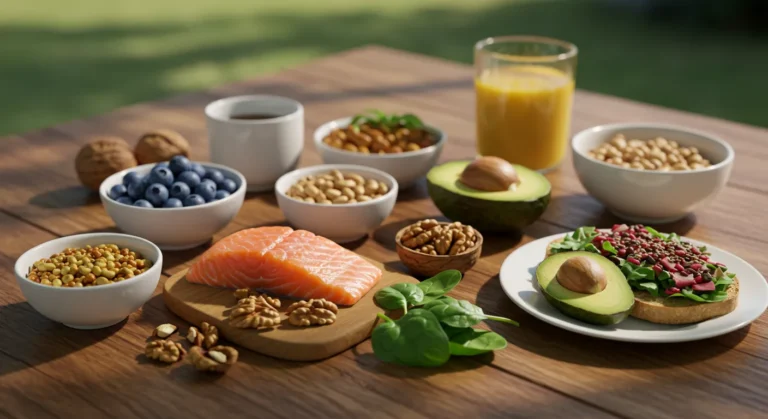
Fatty Fish and Omega-3s: We aim for wild-caught salmon, sardines, or mackerel 2-3 times per week. The omega-3 fatty acids EPA and DHA are literally building blocks for your brain tissue. If you’re plant-based, algae-based omega-3 supplements can provide similar benefits.
Blueberries and Dark Berries: These aren’t just trendy superfoods—they’re packed with anthocyanins that cross the blood-brain barrier and support memory formation. Giulia adds a handful to her morning smoothie almost daily.
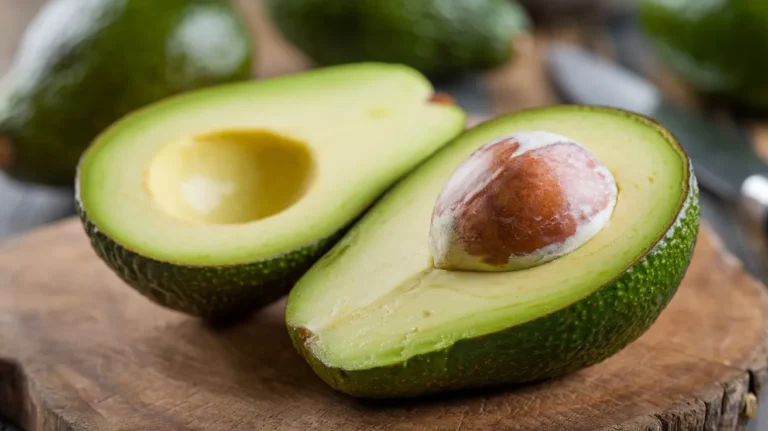
Avocados: The monounsaturated fats support healthy blood flow to the brain, while the fiber helps maintain steady blood sugar. One of the avocado benefits we notice most is sustained mental energy without crashes.
Dark Leafy Greens: Spinach, kale, and Swiss chard provide folate, vitamin K, and nitrates that support cognitive function. We’ve learned that massaging kale with a bit of olive oil and lemon makes it much more digestible.
Biohacking Diet: Our Go-To Brain Food Recipes
Federico’s Focus Smoothie:
- 1 cup unsweetened almond milk
- 1/2 frozen banana
- 1/2 cup blueberries
- 1 tablespoon almond butter
- 1 teaspoon chia seeds (amazing chia seeds benefits for females include hormone support)
- 1/2 teaspoon turmeric for its curcumin benefits
- Pinch of black pepper (enhances turmeric absorption)
This brain boosting smoothie provides sustained energy for 4-5 hours without the crash you get from typical breakfast options.
Simple Brain Bowl:
- Base of mixed greens
- 1/4 avocado
- 3-4 oz wild salmon or organic chicken
- 1/4 cup blueberries
- 2 tablespoons pumpkin seeds
- Drizzle of olive oil and lemon
The combination of healthy fats, protein, and antioxidants supports both immediate focus and long-term brain health.
Herbs and Supplements That Actually Work
We’re cautious about supplements because most people don’t need as many as they think. But there are a few that consistently support mental clarity:
Ashwagandha: The ashwagandha benefits include reduced cortisol levels and better stress resilience. We take 300-500mg in the evening to support recovery and next-day mental clarity.
Lion’s Mane Mushroom: One of the mushroom benefits that excited us most was improved focus and memory. The compounds in lion’s mane may support nerve growth factor production.
Magnesium: Most people are deficient, and magnesium benefits include better sleep quality, reduced anxiety, and improved cognitive function. We prefer magnesium glycinate taken before bed.
Remember, these are tools to support an already solid foundation of clean eating—they’re not magic bullets that can overcome a diet full of processed foods.
The Gut-Brain Connection: Your Second Brain
This is where things get really fascinating. Your gut contains more neurotransmitters than your brain, and the gut brain connection influences everything from your mood to your mental clarity to your immune function.
Understanding the Mind-Gut Connection
The mind gut connection works both ways. Stress and anxiety can disrupt your digestive system, while poor gut health can contribute to brain fog, mood swings, and even depression. This gut brain axis and mental health relationship is why we can’t separate mental wellness from digestive wellness.
When we started paying attention to how different foods affected our energy and mood, we noticed some clear patterns:
Foods that supported our gut-brain axis:
- Fermented foods like sauerkraut, kimchi, and kefir
- Prebiotic-rich foods like garlic, onions, and Jerusalem artichokes
- Bone broth (rich in gut-healing compounds)
- Anti inflammatory foods like ginger and turmeric
Foods that disrupted our system:
- Highly processed foods with artificial additives
- Excessive sugar (even from “healthy” sources)
- Foods we had individual sensitivities to (different for everyone)
Building a Gut-Friendly Biohacking Diet
Start your day with gut support: We often begin with warm lemon water (the lemon water benefits include digestive stimulation and vitamin C) or a small portion of fermented vegetables.
Include fiber variety: Different types of fiber feed different beneficial bacteria. We aim for 25-35 grams daily from vegetables, fruits, nuts, and seeds rather than fiber supplements.
Consider digestive timing: We’ve found that eating our largest meals when we’re relaxed and can digest properly makes a huge difference in how we feel.
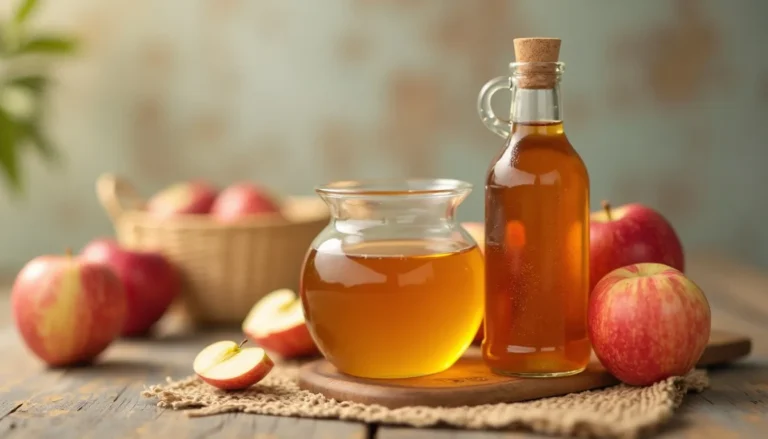
Apple cider vinegar: Here are the reasons you need to drink apple cider vinegar—improved digestion, blood sugar support, potential weight management benefits, antimicrobial properties, possible cholesterol support, enhanced nutrient absorption, and appetite regulation. We dilute 1-2 tablespoons in water before meals.
Anti-Inflammatory Eating: The Foundation of Longevity
Chronic inflammation is like a slow fire burning in your body, contributing to everything from brain fog to accelerated aging. The good news? Your daily food choices can either fuel this fire or help extinguish it.
Top 20 Anti-Inflammatory Foods We Actually Eat
Instead of giving you a generic list, here are the top 20 anti inflammatory foods that we’ve incorporated into our regular rotation:
Vegetables & Fruits:
- Leafy greens (spinach, kale, arugula)
- Berries (blueberries, strawberries, blackberries)
- Cherries (especially tart cherries)
- Broccoli and cruciferous vegetables
- Bell peppers (all colors)
Healthy Fats: 6. Extra virgin olive oil 7. Avocados 8. Walnuts and almonds 9. Coconut oil (the coconut oil benefits include medium-chain fatty acids that are easily utilized for energy) 10. Fatty fish (salmon, sardines, mackerel)
Spices & Herbs: 11. Turmeric (enhanced with bioperine benefits from black pepper) 12. Ginger (fresh or powdered) 13. Garlic 14. Best herbs for brain health include rosemary and sage 15. Green tea (rich in polyphenols)
Other Powerhouses: 16. Chia seeds and flaxseeds 17. Sweet potatoes 18. Tomatoes (especially cooked) 19. Bone broth 20. Dark chocolate (70% cacao or higher)
Intermittent Fasting and Meal Timing: Working With Your Body’s Clock
Intermittent fasting isn’t just a weight loss trend—it’s a way of eating that can support cellular repair, mental clarity, and metabolic flexibility. But like everything else, it needs to be personalized.
Our Approach to Timing
We’ve experimented with different eating windows and found that a 14-16 hour fast works well for most people, especially when you include sleeping hours. This might look like finishing dinner by 7 PM and not eating again until 9-11 AM the next day.
Benefits we’ve noticed:
- More stable energy throughout the day
- Improved mental clarity in the morning
- Better appetite regulation
- Deeper sleep quality
Important considerations:
- Women may need shorter fasting windows (12-14 hours)
- Listen to your body—if you feel weak or anxious, adjust
- Stay hydrated during fasting periods
- Break your fast with nutrient-dense foods, not processed junk
How to Have More Energy Through Strategic Eating
Morning: We often start with our brain-boosting smoothie or a simple breakfast of healthy breakfast ideas like:
- Avocado toast with hemp seeds
- Greek yogurt with berries and nuts
- Veggie omelet with leafy greens
Midday: Focus on balanced meals that include protein, healthy fats, and fiber to maintain steady blood sugar.
Evening: Lighter meals that support digestion and sleep quality.
Superfoods and Key Micronutrients: What Actually Matters
Let’s be honest—the term “superfood” gets thrown around so much it’s almost meaningless. But there are certain foods that provide exceptional nutrient density and support multiple body systems.
Our Top 10 Superfoods (And Why They Matter)
- Wild Blueberries: Higher antioxidant content than regular blueberries
- Sardines: Omega-3s, protein, and no mercury concerns
- Sweet Potatoes: Beta-carotene, fiber, and complex carbs
- Kale: Vitamin K, folate, and cancer-fighting compounds
- Walnuts: Brain-healthy omega-3s and protein
- Greek Yogurt: Probiotics and high protein snacks potential
- Quinoa: Complete protein and mineral content **
- Avocados: Healthy fats and over 20 vitamins and minerals
- Dark Chocolate: Flavonoids and mood-supporting compounds
- Green Tea: L-theanine and powerful antioxidants
Essential Micronutrients for Biohackers
- Vitamin D: Critical for immune function, mood, and bone health. We get blood tested annually and supplement when needed.
- B-Complex: Essential for energy production and nervous system function. Found in top 10 protein foods like eggs, fish, and poultry.
- Zinc: Supports immune function and cognitive health. Pumpkin seeds and grass-fed beef are excellent sources.
- Iron: Especially important for women. Combine plant sources with vitamin C for better absorption.
Biohacking Diet Personalization: Finding Your Optimal Sweet Spot
Here’s where most nutrition advice falls short—it assumes everyone should eat the same way. But your optimal biohacking diet depends on your genetics, lifestyle, current health status, and personal preferences.
Simple Self-Experimentation
The Food and Energy Journal: For two weeks, track:
- What you eat and when
- Energy levels (1-10) throughout the day
- Sleep quality
- Mood and mental clarity
- Digestive symptoms
Look for patterns. Do you feel energized after certain meals? Does eating late affect your sleep? Do specific foods cause bloating or brain fog?
The Elimination Approach: If you suspect certain foods are causing issues, try eliminating them for 2-3 weeks, then reintroduce them one at a time. Common culprits include:
- Gluten
- Dairy
- Sugar
- Processed foods
- Individual trigger foods
When to Consider Professional Support
While self-experimentation is valuable, sometimes you need expert guidance. Consider working with an Integrative Functional Nutrition practitioner if you have:
- Persistent digestive issues
- Chronic fatigue despite good sleep
- Autoimmune conditions
- Complex health concerns
Practical Implementation of Biohacking Diet
Knowledge without action doesn’t change anything. Let’s talk about how to actually implement these principles into your real, busy life.
Clean Eating for Beginners: Start Here
Foundation Building
- Add one serving of vegetables to each meal
- Replace sugary drinks with water, herbal tea, or sparkling water with lemon
- Include a source of healthy fat with each meal
- Follow our 5 tips to stay hydrated: carry a water bottle, start your day with water, eat water-rich foods, set reminders, and monitor urine color
Expanding Options
- Experiment with new healthy snacks: apple with almond butter, vegetables with hummus, or homemade trail mix
- Try one new superfood breakfast recipe per week
- Begin meal prepping simple components like roasted vegetables and cooked grains
Advanced Integration
- Experiment with meal timing that works for your schedule
- Try new herbs for focus like rosemary or peppermint tea
- Consider keto prep meals if you’re interested in lower-carb eating
Advanced Strategies: Sugar Detox and Specialized Approaches
Once you have the basics down of biohacking diet, you might want to explore more targeted approaches.
Sugar Detox: Breaking the Cycle
Most people consume 2-3 times more sugar than recommended, leading to energy crashes, cravings, and metabolic dysfunction. A gentle sugar detox can reset your taste buds and energy levels.
Our 7-Day Sugar Reset:
- Eliminate added sugars, artificial sweeteners, and refined carbs
- Focus on whole foods: vegetables, fruits, proteins, healthy fats
- Stay hydrated and get adequate sleep
- Expect some withdrawal symptoms (headaches, cravings) for 2-3 days
- Notice how your energy and mood stabilize by day 5-7
Exploring Keto and Low-Carb Approaches
Keto prep meals can be helpful for some people, especially those dealing with insulin resistance or wanting to improve mental clarity. However, this approach isn’t right for everyone.
If you’re considering keto:
- Start gradually by reducing refined carbs first
- Focus on nutrient-dense low calorie meals rich in vegetables
- Ensure adequate electrolyte intake
- Monitor your energy levels and adjust as needed
Detox Cleanse: Supporting Your Body’s Natural Processes
Your body detoxifies naturally through your liver, kidneys, and other organs. Rather than extreme cleanses, support these processes with:
- Adequate hydration
- Fiber-rich foods
- Anti aging foods rich in antioxidants
- Regular movement and sweating
- Quality sleep
- Stress management
Our Personal Journey: What We’ve Learned
We want to share some honest insights from our own biohacking diet journey because authenticity matters when you’re making changes to something as personal as how you fuel your body.
What Worked for Us
Federico’s discoveries:
- Intermittent fasting improved my mental clarity, but only when I maintained it consistently
- High protein snacks between meals eliminated afternoon energy crashes
- Reducing inflammatory foods dramatically improved joint comfort during workouts
Giulia’s insights:
- Focusing on gut brain connection diet principles reduced anxiety and improved mood stability
- Chia seeds benefits for females included more stable energy during hormonal fluctuations
- Low calorie snacks that were nutrient-dense satisfied me better than higher-calorie processed options
What Didn’t Work
- Extreme approaches: We tried several very restrictive diets that left us feeling deprived and eventually led to rebounds.
- Ignoring individual differences: What worked for one of us didn’t always work for the other, even though we have similar lifestyles.
- Perfectionism: Trying biohacking diet to eat “perfectly” all the time created stress that probably negated many of the health benefits we were seeking.
Building Your Personalized Biohacking Diet
Ready to create your own sustainable approach? Here’s our framework for building a biohacking diet that supports your unique goals and lifestyle.
Step 1: Assess Your Current State
Energy and Mental Clarity Audit:
- When do you feel most energized during the day?
- What foods or meals leave you feeling satisfied and focused?
- What patterns do you notice between what you eat and how you feel?
Health and Wellness Check:
- Any digestive issues or food sensitivities?
- Sleep quality and stress levels?
- Current activity level and fitness goals?
Step 2: Set Your Foundation
Non-negotiable healthy eating habits:
- Eat adequate protein at each meal
- Include vegetables with most meals
- Stay properly hydrated
- Minimize processed foods
- Listen to your hunger and fullness cues
Choose your focus area:
- Mental clarity and focus (brain food emphasis)
- Energy and metabolism (habits to lose weight naturally)
- Longevity and anti-aging (anti inflammatory foods)
- Digestive health (gut brain connection)
Step 3: Experiment and Adjust
Start with small changes and build gradually. Your biohacking diet should enhance your life, not become another source of stress.
Track what matters:
- Energy levels throughout the day
- Sleep quality
- Mood and mental clarity
- Digestive comfort
- How you feel about your relationship with food
Resources and Tools for Your Journey
Recommended apps and tools:
- Cronometer for nutrient tracking (more accurate than most calorie apps)
- MyFitnessPal for general food logging
- Headspace or Calm for stress management (stress affects digestion!)
Quality supplement sources:
- Thorne for professional-grade supplements
- Garden of Life for whole-food based options
- Nordic Naturals for high-quality fish oils
Meal planning resources:
- PlateJoy for personalized meal plans
- Mealime for simple, healthy recipe ideas
- Paprika for recipe organization and meal planning
Remember, supplements and tools are just that—tools to support a solid foundation of clean eating and healthy eating habits.
Conclusion: Your Journey to Optimal Nutrition
Building a sustainable biohacking diet isn’t about following someone else’s rules perfectly. It’s about developing a deep understanding of how food affects your unique body and creating eating habits that support your best life.
The most powerful insight we can share? Your body is constantly giving you feedback about what serves you and what doesn’t. When you start paying attention to these signals—really listening to how different foods make you feel—you become your own best nutrition expert.
Start where you are, not where you think you should be. Maybe that’s adding more vegetables to your current meals. Maybe it’s experimenting with meal timing. Maybe it’s trying one new brain food recipe per week.
The best brain food, the most effective anti aging foods, and the optimal healthy meal plans are the ones you’ll actually stick with long-term. Consistency beats perfection every single time.
Your future self—the one with sustained energy, mental clarity, and genuine vitality—is waiting for you to take that first step. We’re here to support you every step of the way.
Disclaimer: The information provided is for educational purposes only, not a substitute for professional medical advice. Always consult a healthcare professional.