Clean Eating for Beginners: Simple Steps to Start Eating Clean

Imagine waking up feeling refreshed and ready to go. For many, this dream is within reach with a few diet changes. Embracing a clean eating lifestyle means eating foods as natural as possible.
Starting a new diet can feel daunting. But our beginner clean eating guide makes it easy. We’ll cover the basics, benefits, and offer practical tips to begin.
Adopting clean eating boosts energy and health. This article will show you how to start. You’ll learn to make lasting health improvements.
Key Takeaways
- Understand the basics of clean eating and its benefits
- Learn how to identify whole foods and incorporate them into your diet
- Discover simple tips to start eating clean and making sustainable health improvements
- Develop a healthier relationship with food and improve overall well-being
- Get started with practical advice on adopting a clean eating lifestyle
What Is Clean Eating? Understanding the Basics
Clean eating is more than just a diet. It’s about eating whole, nutrient-rich foods. It helps us make choices that boost our health and happiness.
Core Principles of Clean Eating
The main ideas of clean eating are:
- Emphasizing whole foods: Focus on whole grains, fruits, veggies, lean proteins, and healthy fats.
- Minimizing processed foods: Cut down on foods with lots of added sugars, sodium, and saturated fats.
- Being mindful of ingredients: Check labels to avoid unhealthy additives and preservatives.
Following these principles can greatly improve your diet. Clean eating helps you get the right mix of nutrients for good health.
Common Misconceptions About Clean Eating
Despite its popularity, clean eating is often misunderstood. Some common wrong ideas are:
- Clean eating is overly restrictive: It’s about making smart food choices, not following a strict diet.
- It’s too expensive: Eating whole foods can be affordable if you plan meals and shop wisely.
- It’s a short-term fix: Clean eating is a long-term way to eat healthily, not a quick fix.
Knowing these myths helps us see clean eating in a better light. It lets us enjoy the real benefits and practical ways of clean eating.
Benefits of Clean Eating for Beginners
Clean eating offers many benefits for beginners. It improves physical health and mental clarity. Starting this journey can greatly improve our overall well-being.
Physical Health Benefits
Clean eating brings many physical health benefits. It helps with weight management and overall health. By eating whole, unprocessed foods, we:
- Boost our nutrient intake
- Support healthy weight loss
- Enhance our energy levels
One big advantage of clean eating is managing weight. Eating whole foods helps us stay healthy and avoid obesity-related issues.
Mental and Emotional Advantages
Clean eating also boosts our mental and emotional health. A diet full of whole foods can:
- Improve our mood
- Enhance our cognitive function
- Support mental clarity
By choosing the right foods, we can handle stress and anxiety better. This leads to better mental health.
Long-term Health Impacts
Starting a clean eating lifestyle can prevent chronic diseases. It can help avoid heart disease, diabetes, and some cancers. By changing our lifestyle, we can:
| Health Benefit | Description |
|---|---|
| Reduced Risk of Chronic Diseases | Clean eating can prevent heart disease and diabetes. |
| Improved Overall Health | Eating whole foods supports our overall well-being. |
| Enhanced Quality of Life | Healthy choices lead to a better life. |
By following clean eating principles, we can enjoy long-term health benefits. This leads to a healthier, more balanced life.
Clean Eating for Beginners: First Steps to Take
Starting with clean eating means understanding your diet and making small changes. First, we need to see what we eat now and find ways to improve.
Assessing Your Current Diet
Start by keeping a food diary for a week or two. This will help you notice your eating habits and patterns. Write down what you eat, how much, and when you snack or eat too much. This will show you where you can eat healthier.
Setting Realistic Goals
After knowing your diet, set realistic goals. Don’t try to change everything at once. Start with small changes, like eating one whole food meal a day or cutting out sugary drinks. Setting specific, measurable goals helps you stay focused and track your progress.
Creating a Gradual Transition Plan
Creating a gradual plan is key for lasting clean eating. Start by adding more whole foods like fruits, veggies, and lean proteins. Slowly cut down on processed foods. Look at clean eating meal plans for beginners for healthy meal ideas. As you get used to clean eating, you can make more changes.
By taking these steps and being patient, you can move to a clean eating lifestyle. The goal is to make lasting changes, not follow a strict diet. With a good plan, you can enjoy the health benefits of clean eating.
Essential Clean Eating Food List for Beginners
To start eating clean, it’s key to know which whole foods to choose and which to avoid. Clean eating focuses on unprocessed foods full of nutrients, fiber, and healthy fats. Making smart choices can greatly improve our health and well-being.
Whole Foods to Prioritize
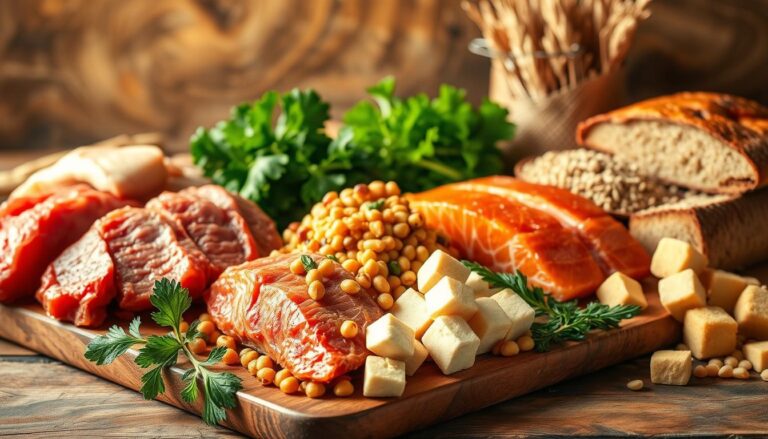
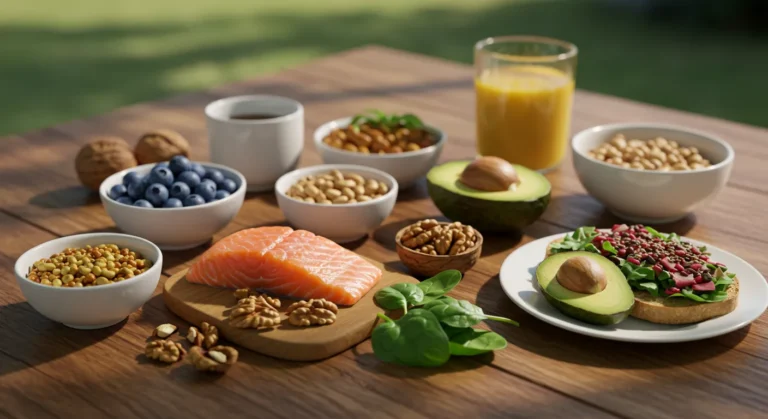
Whole foods are the core of a clean eating diet. These include:
- Fruits: Full of vitamins, minerals, and antioxidants. Examples include apples, berries, and citrus fruits.
- Vegetables: Rich in fiber, vitamins, and minerals. Choose leafy greens, broccoli, and bell peppers.
- Lean Proteins: Key for muscle repair and growth. Opt for chicken, fish, beans, and lentils.
- Whole Grains: High in fiber and nutrients. Go for brown rice, quinoa, and whole wheat bread.
- Healthy Fats: Good for brain health and energy. Include avocado, nuts, and olive oil.
Foods to Limit or Avoid
Knowing what to avoid is just as important as knowing what to eat. Limit or avoid:
- Processed and Packaged Foods: Often high in unhealthy fats, sugars, and sodium.
- Added Sugars: Found in sweets, sugary drinks, and many processed foods.
- Saturated and Trans Fats: Common in fried foods, baked goods, and processed snacks.
- Refined Grains: White bread, sugary cereals, and processed pasta.
Reading Food Labels Effectively
Being able to read food labels is a key skill for clean eating. Here are some tips:
- Check the Ingredient List: Choose products with fewer, recognizable ingredients.
- Watch for Added Sugars: Be aware of various names for sugar, such as high fructose corn syrup, honey, and maple syrup.
- Limit Sodium and Saturated Fats: Choose products that are low in these unhealthy components.
- Avoid Artificial Additives: Steer clear of products with artificial flavors, colors, and preservatives.
By focusing on whole foods and being mindful of what we eat, we can make big strides towards a healthier lifestyle. Clean eating is more than a diet; it’s a way to nourish our bodies for the long term.
Clean Eating Grocery Shopping Guide
Grocery shopping is key to a clean eating lifestyle. It can be done well and without spending too much. Plan your trip and choose wisely to fill your pantry with healthy foods.
Creating a Shopping List
First, make a list that fits your clean eating goals. Plan your meals for the week. This helps you know what to buy and avoid unhealthy choices.
- Fresh produce: fruits and vegetables
- Proteins: lean meats, fish, eggs, tofu
- Whole grains: brown rice, quinoa, whole wheat bread
- Dairy or dairy alternatives: milk, yogurt, cheese
- Healthy fats: nuts, seeds, avocados
Navigating the Grocery Store
With your list, now it’s time to shop. Stores put fresh foods, meats, and dairy in the center. Start there to focus on whole foods.
Budget-Friendly Clean Eating Tips
Clean eating doesn’t have to cost a lot. Here are ways to save money:
- Buy in bulk: grains, nuts, and dried fruits
- Choose seasonal produce: it’s often cheaper and fresher
- Plan meals around sales: check weekly ads for discounts
- Shop at local farmers’ markets or join a community-supported agriculture (CSA) program
| Budget-Friendly Clean Eating Tips | Cost Savings | Nutritional Benefits |
|---|---|---|
| Buy in bulk | Up to 30% savings on grains and nuts | Increased fiber and healthy fats |
| Choose seasonal produce | 20-50% cheaper than out-of-season produce | Fresher and more nutrient-dense |
| Plan meals around sales | Potential savings vary by item and week | Encourages varied and balanced diet |
These tips help you enjoy clean eating without spending too much. The key is to plan and make smart choices at the store.
Creating a Simple Clean Eating Meal Plan
A good meal plan is key to clean eating success. It ensures you eat a balanced diet full of nutrients. Meal planning stops unhealthy choices and saves time.
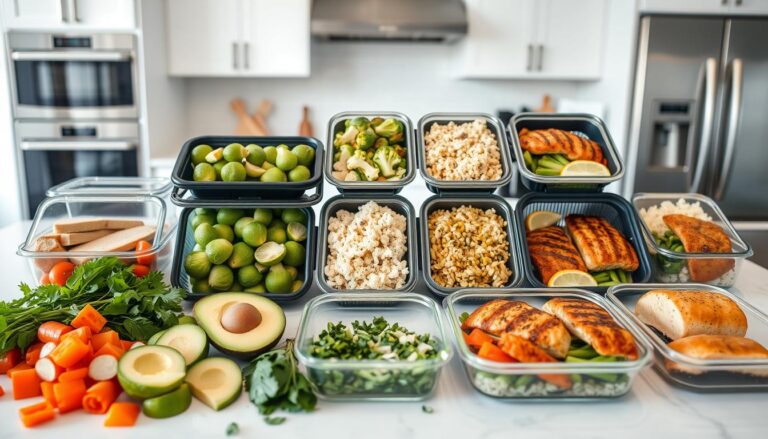
Meal Prep Basics for Beginners
Meal prep means planning and preparing meals early. It helps you stick to your clean eating goals. Here’s how to start:
- Plan your meals for the week ahead
- Make a grocery list based on your meal plan
- Prep your ingredients, such as chopping vegetables or cooking proteins
- Store your prepped meals in containers for easy access
Tip: Start with simple meals and gradually try new recipes.
Balanced Breakfast Ideas
Breakfast is vital for a good day. Here are some balanced breakfast ideas:
| Breakfast Idea | Main Ingredients | Nutritional Benefits |
|---|---|---|
| Oatmeal with Fruits | Oats, fresh fruits, nuts | High in fiber, antioxidants |
| Avocado Toast | Whole grain bread, avocado, eggs | Rich in healthy fats, protein |
| Greek Yogurt Parfait | Greek yogurt, granola, berries | High in protein, calcium |
Nutritious Lunch and Dinner Options
For lunch and dinner, choose a variety of vegetables, lean proteins, and whole grains. Here are some ideas:
- Grilled chicken or fish with roasted vegetables
- Quinoa salad with mixed vegetables and lean protein
- Stir-fries with a variety of colorful vegetables and brown rice
Remember, variety is key to ensuring you get a broad range of nutrients.
Healthy Snack Alternatives
Snacking is a chance to add more nutrients. Here are some healthy snack alternatives:
- Fresh fruits or cut vegetables with hummus
- Nuts and seeds, such as almonds or pumpkin seeds
- Energy balls made with oats, nuts, and dried fruits
By using these tips, you can make a simple clean eating meal plan. This will help you stay healthy and make eating well a part of your life.
Easy Clean Eating Recipes for Beginners
Start your clean eating journey with simple, tasty recipes. They use whole foods and few ingredients. Clean eating is more than avoiding bad foods. It’s about enjoying nutritious meals that make your body happy.
Quick Breakfast Recipes
Begin your day with a healthy breakfast. This sets a good eating tone. Here are some easy clean eating breakfast ideas:
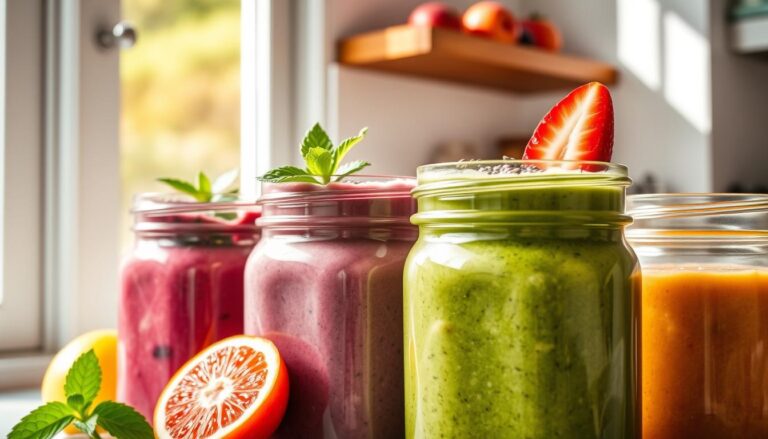
- Overnight Oats: Mix oats, milk, and fruits, nuts, or seeds in a jar. Chill it overnight. Enjoy in the morning.
- Avocado Toast: Toast whole grain bread. Mash an avocado and spread it. Add an egg or red pepper flakes for protein.
- Greek Yogurt Parfait: Layer yogurt, berries, and granola in a bowl. It’s a protein-rich breakfast.
Simple Lunch and Dinner Ideas
For lunch and dinner, choose whole foods and simple recipes. Here are some ideas:
- Grilled Chicken Salad: Grill chicken and place it on mixed greens. Add veggies and a homemade vinaigrette.
- Quinoa and Vegetable Stir-Fry: Cook quinoa and stir-fry colorful veggies with olive oil, garlic, and ginger. Season with salt and pepper.
- Baked Salmon: Season salmon with lemon, salt, and herbs. Bake until done. Serve with roasted veggies.
Healthy Snacks and Treats
Snacking is key in clean eating. Here are some healthy snack ideas:
- Fresh Fruit and Nuts: Mix your favorite fruits with nuts for a quick snack.
- Homemade Trail Mix: Combine nuts, seeds, and dried fruits for a healthy snack.
- Dark Chocolate-Dipped Fruit: Dip fruit like strawberries in melted dark chocolate for a sweet treat.
These easy clean eating recipes are perfect for beginners. They help you start a healthier eating lifestyle. Clean eating is about making choices you can keep up with for a long time.
Overcoming Common Challenges in Clean Eating
Starting your clean eating journey can be tough. But, it’s worth it for the health benefits. Knowing how to handle common challenges can help you succeed.
Eating Clean on a Budget
Many think clean eating is expensive. But, it doesn’t have to be. With some planning, you can eat clean without spending a lot.
- Plan your meals and make a grocery list to avoid impulse buys.
- Buy in bulk – grains, nuts, and dried fruits are often cheaper in larger quantities.
- Shop seasonal to get the best prices on fresh produce.
- Consider frozen or canned options for non-perishable items.
| Budget-Friendly Clean Eating Tips | Cost Savings | Benefits |
|---|---|---|
| Meal planning | Up to 20% reduction in grocery bills | Reduces food waste, saves time |
| Buying in bulk | 15-30% savings on bulk items | Ensures steady supply of staples |
| Shopping seasonal | 10-20% savings on produce | Freshness, variety, supports local farmers |
Clean Eating When Dining Out
Dining out can be hard when you’re eating clean. But, there are ways to stay on track.
Choose restaurants wisely – pick places with fresh, whole foods. Ask about ingredients and how they’re prepared.
Customize your order – ask for grilled instead of fried. Or, get sauces on the side.
Dealing with Cravings and Setbacks
Cravings and setbacks happen. But, you can manage them.
- Stay hydrated – thirst can feel like hunger or cravings.
- Plan for indulgences – having treats now and then helps avoid deprivation.
- Get enough sleep – not sleeping well can make you want unhealthy foods.
Understanding these challenges and finding solutions can help you stick to clean eating. You’ll enjoy the health benefits it brings.
Conclusion
Starting a clean eating lifestyle is a journey, not just a goal. By learning the basics and adding beginner recipes to your day, you can make lasting health changes.
Creating a clean eating meal plan is key. It keeps you on track, ensures you get the right nutrients, and makes healthy eating easier. We’ve shown you the best foods, how to read labels, and simple meal prep ideas to begin.
Keep moving forward on your clean eating path, even if it’s slow. Begin with small steps and be kind to yourself. Over time, clean eating will become natural, and you’ll feel healthier and more balanced.
Disclaimer: The information provided is for educational purposes only, not a substitute for professional medical advice. Always consult a healthcare professional.