Coffee Timing: Never Drink Coffee at THIS Time
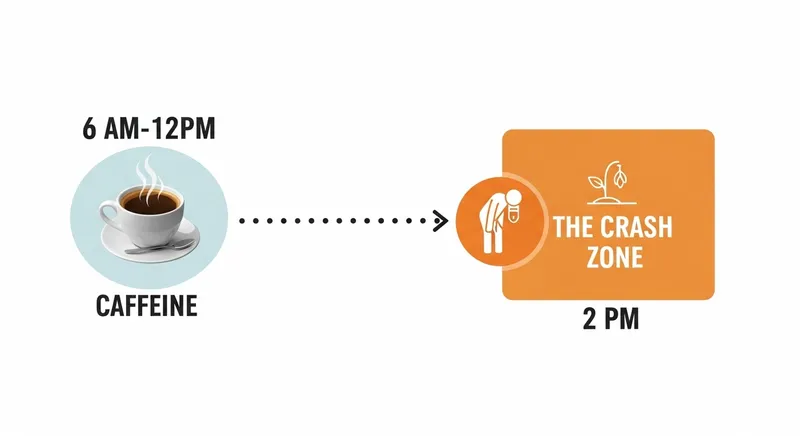
It’s 7:00 AM and the first thing you do is start the coffee machine. You tell yourself it’s the only thing that makes you functional. But three hours later, your brain feels foggy, your heart races, and your focus is gone. By 2:00 PM, you’re experiencing the dreaded afternoon crash so hard you need another cup just to survive.
Sound familiar? This isn’t normal. It’s a biochemical cycle that’s stealing your natural energy—and it all starts with when to drink coffee, not how much.
Today, we’re breaking down the neuroscience of coffee timing, why your 7:00 AM habit is causing that brutal afternoon slump, and the exact protocol to transform coffee from an enemy into a strategic tool.
The Caffeine Debt: Why You’re Always Tired
Here’s the brutal truth about caffeine that nobody tells you: coffee doesn’t create energy—it’s a loan with astronomical interest rates.
That cup you drink at 7:00 AM gives you a temporary boost, but by early afternoon, you’re paying it back with a vengeance. The low energy after lunch you feel isn’t from your meal—it’s the caffeine debt coming due.
Coffee doesn’t generate new energy. It masks the tiredness that was already building. It’s like covering a stain with a rug: it looks clean until you lift the rug, and then everything’s worse than before.

This is called the rebound effect, and the more coffee you drink throughout the day, the harder it hits. But the real problem runs deeper: your brain adapts. It stops producing its own wake-up chemicals and starts relying entirely on caffeine. You become biochemically dependent—not on coffee itself, but on the fact that your body has stopped waking itself up naturally.
The Science: Adenosine, Cortisol, and the Perfect Storm
To understand why coffee timing matters so much, we need to talk about two key players: adenosine and cortisol.
Adenosine: The Invisible Sleep Pressure
Adenosine is a molecule that accumulates in your brain every minute you’re awake. The longer you stay up, the more it builds. When it reaches a certain threshold, it binds to receptors in your brain and tells you: “Time to shut down.”
This is normal. It’s your body’s natural sleep pressure.
But here’s what caffeine does: it doesn’t eliminate adenosine. It blocks it. Think of adenosine as a car trying to park. Caffeine is another car that takes the spot before it can. The result? Adenosine can’t do its job, so you feel alert.
The problem? Adenosine keeps accumulating in the background. When the caffeine wears off after a few hours, all that built-up adenosine floods your receptors at once. That’s the afternoon fatigue that feels like hitting a wall.
Cortisol: Your Body’s Natural Coffee
In the morning, your body already produces its own stimulant: cortisol. This “wake-up hormone” peaks naturally between 7:00 and 9:00 AM. It’s your biological alarm clock, designed to get you alert and focused without any external help.
But when you drink coffee during this cortisol peak, you’re essentially telling your body: “I don’t need you to do this anymore.” Over time, your body listens. It produces less natural cortisol in the morning because it knows caffeine will show up to do the job instead.
The result? You become dependent. Not just psychologically, but biochemically. Your body has outsourced its wake-up function to an external substance.
And here’s something most people don’t know: an in-depth study published on PubMed warns that caffeine doesn’t just act as a simple stimulant—it works on three distinct levels: blocking adenosine receptors, mobilizing calcium within cells, and inhibiting certain enzymes called phosphodiesterases.
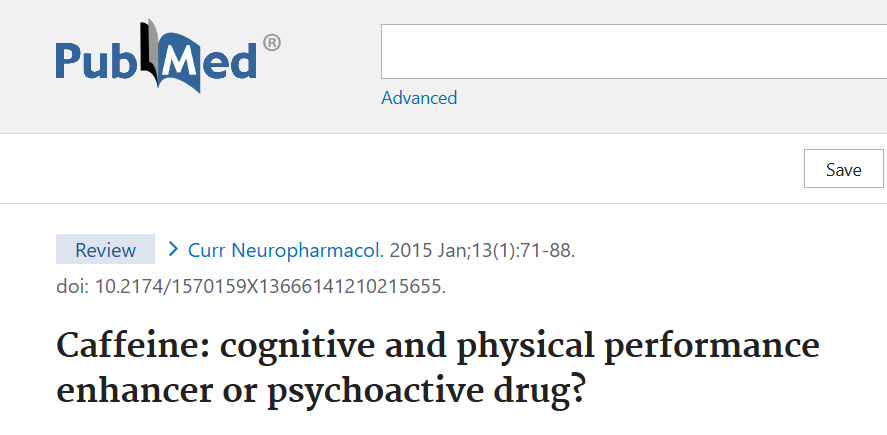
But here’s the critical finding: the toxic dose is relative. If you’re under stress, dehydrated, or carry specific genetic variants, that third cup isn’t giving you focus—it’s sending your cardiovascular system into overload and increasing your risk of chronic anxiety and caffeine intoxication.
This brings us to a question many people ask: how much caffeine is too much? The answer isn’t a fixed number—it depends on your genetics, stress levels, hydration, and coffee timing.
Three Myths Sabotaging Your Energy
Before we get to the solution, let’s destroy three common myths about coffee and energy.
Myth #1: “I Need Coffee to Activate My Brain in the Morning”
False. What you’re actually doing is interrupting your brain’s natural cleanup process. During sleep, your brain clears metabolic waste and recharges neurotransmitters. In the morning, it needs time to complete this process.
When you force it with caffeine, it’s like waking someone up mid-dream. It works, but it’s inefficient—and it sets you up for brain fog and afternoon tiredness later.
Myth #2: “Black Coffee Has No Side Effects”
Wrong. The effect on adenosine receptors is the same whether you add sugar or not. The issue isn’t what you add to your coffee—it’s when to drink coffee in the first place.
Myth #3: “Coffee Can Replace Water or Sunlight”
Many people reach for coffee when they’re actually dehydrated or light-deprived. But caffeine is a diuretic—it makes dehydration worse. And it doesn’t give your brain the “daytime” signal that only natural light can provide.
Here’s another detail few people know: drinking hot coffee immediately upon waking artificially raises your core body temperature, confusing the circadian rhythm that’s already trying to warm you up naturally. It’s like turning on the heater when the sun is already rising—it disrupts the system.
The Strategic Coffee Protocol: Getting the Timing Right
The solution isn’t quitting coffee. It’s optimizing coffee timing. Here’s the science-backed protocol.
Rule #1: Wait 90-120 Minutes After Waking
Delay your first cup until at least 90 minutes—ideally two hours—after you wake up. This allows your natural cortisol to do its job without interference. You give your body time to complete its wake-up process on its own terms.
When you finally do drink coffee, the effect is cleaner. No jitters, no afternoon crash. Just stable, sustained focus.
Rule #2: Hydrate First, Caffeinate Second
The moment you wake up, drink 500ml of water. Add a pinch of sea salt to replenish minerals lost overnight. Your body is dehydrated after eight hours without fluids—caffeine only makes this worse.
And here’s why this matters: caffeine is a diuretic that flushes out magnesium and potassium, two minerals essential for mental clarity and muscle function. If you drink coffee on an empty stomach, you’re depleting your reserves exactly when you need them most.
Rule #3: Use Sunlight as Your First Stimulant
Get outside for five minutes in the morning. Natural light hits your eyes and sends a direct signal to your suprachiasmatic nucleus—your brain’s master clock. This tells your body: “It’s daytime. Stay alert.”
Sunlight is the most powerful natural stimulant available. Use it before you reach for caffeine.
Rule #4: Set an Afternoon Cut-Off
Stop drinking coffee at least 8-10 hours before bed. Caffeine’s half-life is about six hours, meaning if you drink coffee at 4:00 PM, half of it is still in your system at 10:00 PM. This destroys sleep quality and sets you up for feeling tired in the afternoon the next day—even if you fall asleep easily.
If you’re still experiencing mid afternoon slump despite following these rules, you might need a more comprehensive approach. Our ebook “No More Sleepy After Lunch” provides a complete day-by-day protocol to eliminate post-lunch fatigue and optimize your energy throughout the day.
When Coffee Becomes a Problem: Recognizing the Signs
Understanding how much coffee is too much isn’t just about counting cups—it’s about paying attention to your body’s signals.
Genetic Factors: The CYP1A2 Gene
Not everyone metabolizes caffeine the same way. A gene called CYP1A2 determines how quickly your liver processes caffeine. If you’re a “slow metabolizer,” even one morning cup can keep you wired until evening. This isn’t sensitivity—it’s genetics.
If coffee keeps you up for 12+ hours, or if you experience anxiety and heart palpitations after a single cup, you may carry a genetic variant that processes caffeine slowly. In this case, you might need to reduce your intake significantly or switch to alternatives like caffeine gum for more controlled dosing.
The Creativity Trade-Off
Here’s something interesting: caffeine enhances convergent thinking—the focused, problem-solving mode you need for tasks and execution. But research suggests it can impair divergent thinking, the creative, free-flowing mode you need for brainstorming and innovation.
If you’re doing creative work, that morning coffee might actually be working against you.
The Natural Pesticide
Fun fact: caffeine is literally a natural pesticide. Coffee plants produce it to paralyze insects that try to eat their leaves. We’ve co-opted this defense mechanism to stay alert in meetings. It works, but it needs to be used strategically, not mindlessly.
For those looking for additional cognitive support without the downsides of excessive caffeine, supplements like Mind Lab Pro offer a research-backed blend of nootropics designed to support focus, memory, and mental clarity without the jitters or crash associated with too much caffeine.
What Happens When You Stop Drinking Coffee (Or Just Optimize Timing)
Many people ask: what happens when you stop drinking coffee? The truth is, you don’t need to quit entirely—you just need to get the timing right.
When you follow the 90-120 minute rule, here’s what changes:
- Morning energy becomes natural and stable (no more artificial spike and crash)
- Afternoon slump cure happens naturally (your cortisol rhythms normalize)
- Sleep quality improves dramatically (no residual caffeine disrupting deep sleep)
- Your body produces cortisol on its own again (you break the dependency cycle)
- You need less total caffeine (because it works with your biology, not against it)
If you want the complete protocol with daily trackers and advanced strategies, check out “No More Sleepy After Lunch” for a science-backed roadmap to sustainable energy.
Start Today: The 3-Day Coffee Timing Challenge
The afternoon crash isn’t about willpower. It’s about biology. And now you know how to work with it instead of against it.
Here’s your challenge: try the 90-minute rule for just three days. Delay your first coffee, hydrate properly, get morning sunlight, and cut off caffeine 8-10 hours before bed.
Watch what happens to your afternoon fatigue. We’re willing to bet it disappears—or at least becomes manageable without another coffee.
If you want the complete energy optimization system—including meal timing, light exposure habits, and advanced recovery techniques—our ebook “No More Sleepy After Lunch” gives you everything you need. It’s not just theory. It’s a tested, step-by-step protocol you can start tomorrow.
Get the complete guide here and take back control of your energy.
FAQ: Common Questions About Coffee Timing
What’s the best time to drink coffee? The optimal coffee timing is 90-120 minutes after waking, when your natural cortisol peak has passed. For most people, this means 8:30-9:30 AM instead of 7:00 AM.
Why do I feel tired in the afternoon even without coffee? The mid afternoon slump is driven by your circadian rhythm (a natural dip in alertness between 2-4 PM) and adenosine buildup throughout the day. However, drinking coffee too early makes this dip much worse by creating a rebound effect.
How much coffee is too much? There’s no universal answer. It depends on your genetics (CYP1A2 gene), stress levels, hydration, and timing. For most people, 1-3 cups per day is safe—but only if consumed at the right times. Signs you’re having too much caffeine: chronic anxiety, sleep problems, heart palpitations, and dependency.
Can I drink coffee on an empty stomach? Not ideal. Caffeine on an empty stomach can trigger glucose release, causing a blood sugar spike and subsequent crash—even without added sugar. It also depletes minerals like magnesium. Hydrate first, ideally eat something small, then have coffee.
What happens when you stop drinking coffee cold turkey? Withdrawal symptoms can include headaches, fatigue, irritability, and brain fog for 2-9 days. Instead of quitting abruptly, try shifting your timing first. This often reduces total intake naturally without the withdrawal shock.
Does caffeine gum work differently than coffee? Yes. Caffeine gum delivers caffeine through the oral mucosa, leading to faster absorption (5-10 minutes vs 45 minutes for coffee) and more controlled dosing. This can be useful for strategic energy boosts, but the same timing principles apply—don’t use it first thing in the morning.
Disclaimer
The information in this article is provided for educational and informational purposes only and does not substitute for the advice of a physician or qualified healthcare professional. Individual responses to caffeine vary based on genetics, health status, and other factors. Always consult a doctor before making significant changes to your diet, routine, or lifestyle, especially if you have cardiovascular conditions or take medications. This article may contain affiliate links to products we believe may be helpful. If you purchase through these links, we may receive a commission at no additional cost to you.