Deep Focus Work Made Easy: How to Eliminate Distractions and Get More Done

In today’s world, distractions are everywhere, making mental clarity very valuable. Cal Newport’s idea of deep work shows how important it is to focus without distractions on tasks that need a lot of mental effort.
We often try to do many things at once. But this can split our attention and make us less productive. By using strategies that boost concentration, we can reach our goals faster.
By grasping the basics of deep focus work, we can get better at staying focused. This leads to more productivity and a feeling of accomplishment.
Key Takeaways
- Understand the concept of deep work and its benefits.
- Learn strategies to enhance concentration and mental clarity.
- Improve productivity by minimizing distractions.
- Adopt practices that promote sustained focus.
- Enhance overall well-being through better work habits.
Understanding Deep Focus Work
In today’s fast world, deep focus work is key for keeping our minds sharp. It means focusing on a task without getting sidetracked. This helps us do our best work.
Studies show distractions really cut down on productivity. Gloria Mark found it can take up to 23 minutes to get back on track after a distraction. This shows how vital it is to grasp the science of focus and its role in our work.
The Science Behind Focus
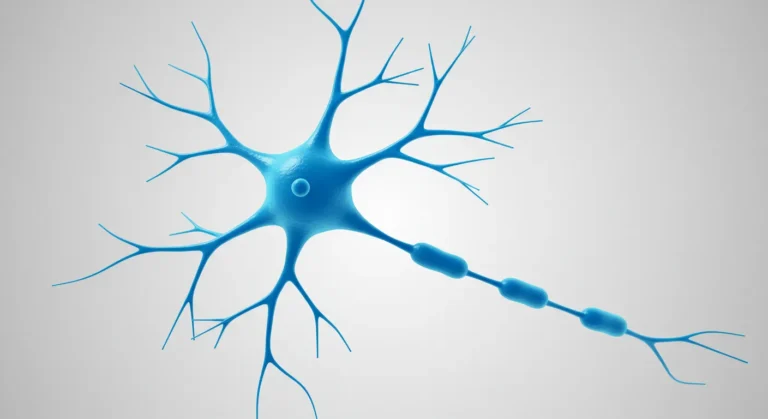
Focus is a brain function that lets us concentrate on what’s important while ignoring the rest. The brain’s focus power is tied to the prefrontal cortex. This area handles decisions, solving problems, and keeping our attention.
When we dive into deep focus work, our brain changes a lot. It gets into a state of deep concentration, known as a “flow state.” This state boosts our productivity, creativity, and feeling of achievement.
Benefits of Deep Focus Work
Deep focus work brings many benefits, like clearer thinking, better brain function, and more productivity. By focusing fully on a task, we can do our best work. This leads to feeling fulfilled and accomplished.
Experts say, “Deep work is focusing without distractions on hard tasks.”
“The more you practice deep work, the more you’ll find that you’re able to accomplish complex tasks with greater ease and efficiency.”
This is why making deep focus work a part of your daily life is so valuable.
By understanding focus and its benefits, we can start improving our productivity and mental sharpness.
Identifying Common Distractions
In today’s fast world, distractions are everywhere. It’s key to know what they are to stay focused. To get deep into work, you need to spot the usual things that get in the way.
Digital Distractions: Social Media and Notifications
Digital distractions are big hurdles to staying focused. Social media and notifications are major culprits. People check their phones over 150 times a day, often because of these alerts.
To cut down on digital distractions:
- Turn off non-essential notifications on your phone and computer.
- Use website blockers like Freedom or Cold Turkey to limit access to distracting websites.
- Schedule specific times to check social media, instead of having it open all the time.
Physical Distractions: Your Environment
Your surroundings can also distract you. Noise is a big problem. Whether it’s people talking, cars passing by, or construction, loud sounds make it hard to focus.
To reduce physical distractions:
- Create a quiet space by using noise-canceling headphones or playing soothing music.
- Keep your workspace tidy to avoid visual distractions.
- Choose a desk or spot that’s away from busy areas.
| Distraction Type | Examples | Mitigation Strategies |
|---|---|---|
| Digital | Social media, notifications, email | Turn off notifications, use website blockers, schedule social media checks |
| Physical | Noise, clutter, visual distractions | Use noise-canceling headphones, organize workspace, minimize clutter |
By knowing and tackling these common distractions, you can make a better work space. This space will help you focus better and work more efficiently.
Creating an Optimal Workspace for Deep Focus Work
A well-designed workspace can greatly improve your focus. It’s important to create an environment that boosts productivity and cuts down on distractions.
Ergonomics: Setting Up Your Desk
An ergonomic workspace is key for staying comfortable and focused during long work sessions. Here are some tips for setting up your desk:
- Place your monitor directly in front of you, about 20-25 inches away. Make sure it’s at a height that lets you look slightly down.
- Choose an adjustable chair with good lumbar support to keep your back healthy.
- Keep your keyboard and mouse close to your body to avoid stretching.
- Make sure your workspace is well-lit, preferably with natural light, to prevent eye strain.
By making these ergonomic changes, you can reduce physical discomfort and improve your focus.
Minimizing Noise: Soundproofing Tips
Noise can be a big distraction when you’re trying to focus. Here are some ways to cut down on noise:
- Use soundproofing materials like acoustic panels or foam to soak up background noise.
- Invest in noise-canceling headphones to block out distracting sounds.
- Find a quieter spot to work or use white noise machines to create a calm environment.
By reducing noise distractions, you can make a better space for deep focus work.
Key Takeaways:
- An ergonomic workspace setup can improve comfort and reduce distractions.
- Soundproofing and noise reduction strategies can significantly enhance focus.
Techniques to Enhance Deep Focus Work
To improve deep focus work, you need the right techniques. These help keep your concentration sharp and boost your productivity. By using the best strategies, you can work more efficiently and effectively.
The Pomodoro Technique: Work Smarter, Not Harder
The Pomodoro Technique is a well-known method for boosting productivity. It involves working in focused, 25-minute sessions, followed by a 5-minute break. This cycle is repeated for a set number of rounds, then a longer break is taken.
To start, pick a task you want to focus on. Set a timer for 25 minutes and work without any breaks until it goes off. Take a 5-minute break, then repeat the cycle. After four cycles, take a longer break of 15-30 minutes. This method keeps you focused and prevents burnout by giving you regular breaks.
Time Blocking: Structuring Your Day
Time blocking is another great way to improve deep focus work. It involves scheduling tasks into fixed, uninterrupted blocks of time. This helps avoid multitasking and reduces distractions.
To use time blocking, plan out your day or week first. List the tasks you need to do and schedule specific times for each. Be honest about how long each task will take, and add some buffer time for breaks or unexpected things. Try to stick to your schedule, but adjust it if needed based on how well you’re doing.
Both the Pomodoro Technique and time blocking are excellent for boosting productivity and deep focus work. By adding these techniques to your daily routine, you can work more efficiently and reach your goals more effectively.
The Role of Mindfulness in Deep Focus Work
Mindfulness is key to success in today’s fast-paced work world. It includes meditation and breathing techniques. These practices help us concentrate better and feel less stressed.
Meditation Practices to Increase Concentration
Meditation boosts our focus. Spending a few minutes each day meditating trains our minds. Here are some meditation practices to try:
- Focused Attention Meditation: Focus on a single point, like your breath, to improve focus.
- Open Monitoring Meditation: Watch everything around you without focusing on one thing.
- Loving-Kindness Meditation: Practice kindness and compassion towards yourself and others.
Regular meditation can make our brains better at attention. Research shows it increases gray matter in brain areas linked to focus.
“The mind is everything; what you think, you become.” – Buddha
Breathing Techniques to Reduce Stress
Breathing techniques also help reduce stress and improve focus. By controlling our breathing, we calm our minds and concentrate better. Here are some techniques to try:
- Diaphragmatic Breathing: Breathe deeply into your diaphragm, not shallowly into your chest.
- 4-7-8 Breathing: Inhale for 4 seconds, hold for 7 seconds, and exhale for 8 seconds.
- Box Breathing: Breathe in, hold, breathe out, and hold again, each for a count of 4.
| Breathing Technique | Benefits |
|---|---|
| Diaphragmatic Breathing | Reduces stress, improves oxygenation |
| 4-7-8 Breathing | Promotes relaxation, improves sleep |
| Box Breathing | Enhances focus, reduces anxiety |
Adding mindfulness practices to our daily routine can greatly improve our focus and reduce stress. By making mindfulness a habit, we can boost our well-being and productivity.
Tools and Apps for Deep Focus Work
Deep focus work needs more than just willpower. It requires the right tools and apps to stay focused. Today, many productivity apps and tools help keep concentration sharp and goals in sight.
Productivity Apps: Essential Features to Look For
When picking productivity apps, look for certain features. These include:
- Task Management: The ability to create, assign, and track tasks efficiently.
- Time Tracking: Features that allow users to monitor how much time is spent on tasks.
- Reminders and Notifications: Customizable alerts to help stay on schedule.
- Integration: Compatibility with other tools and platforms to streamline workflows.
Some popular apps that offer these features are:
| App Name | Key Features | Platform |
|---|---|---|
| Trello | Boards, lists, and cards for task management | Web, Mobile |
| RescueTime | Automatic time tracking, productivity reports | Web, Mobile |
| Focus@Will | Music designed to improve concentration | Web, Mobile |
Focus-Enhancing Tools: Noise-Canceling Headphones
Noise-canceling headphones are great for improving focus. They block out background noise, making it easier to concentrate. When picking headphones, think about comfort, battery life, and sound quality.
Here are some top noise-canceling headphones:
- Bose QuietComfort 45: Known for their superior noise cancellation and comfort.
- Sony WH-1000XM5: Offers industry-leading noise cancellation and excellent sound quality.
Using these tools and apps daily can boost your deep focus work. This leads to better productivity and efficiency.
Building a Routine to Support Deep Focus Work
Deep focus work needs more than just a good workspace. It also needs a daily routine that supports it. A consistent routine can boost your productivity and happiness. This makes it easier to dive into deep focus work.
Morning Routines: Starting the Day Right
A good morning routine sets the day’s tone, helping you focus better. Start with a simple, consistent routine. It should include:
- Meditation or mindfulness exercises to clear your mind
- Journaling or planning to prioritize tasks
- Physical activity to boost energy levels
For example, a morning routine might look like this:
| Time | Activity |
|---|---|
| 6:00 AM | Wake up, stretch |
| 6:15 AM | Meditate for 15 minutes |
| 6:30 AM | Journaling and planning |
| 7:00 AM | Breakfast and getting ready |
Evening Routines: Preparing for the Next Day
An effective evening routine is just as key as a morning one. It prepares you for tomorrow. Include:
- Reviewing the next day’s schedule to stay on track
- Relaxation techniques to unwind
- Preparing your workspace for the next day
Here’s an example of an evening routine:
| Time | Activity |
|---|---|
| 8:00 PM | Review tomorrow’s tasks |
| 8:30 PM | Relaxation or reading |
| 9:30 PM | Prepare workspace for tomorrow |
| 10:00 PM | Bedtime |
By following these routines, you can create a great environment for deep focus work. This boosts your productivity and well-being.
Accountability and Deep Focus Work
To get the most out of deep focus work, setting up a system of accountability is key. It keeps you consistent and motivated, which are vital for reaching your goals. We’ll look at two ways to stay accountable: finding a focus partner and using tracking tools.
Finding a Focus Partner: Benefits and Strategies
Having a focus partner can really help you stay on track. They offer motivation and support, helping you get past hurdles and celebrate wins.
- Benefits of a Focus Partner:
- More motivation from mutual support
- Regular check-ins keep you accountable
- Shared knowledge and expertise
- Strategies for Finding a Focus Partner:
- Look for someone with similar goals and work styles
- Set clear expectations and how you’ll communicate
- Make sure to meet regularly to check on progress
Using Progress Tracking Tools
Progress tracking tools are also great for staying accountable in deep focus work. They let you see how you’re doing, find areas to get better, and keep your eyes on the prize.
| Tool Type | Features | Benefits |
|---|---|---|
| Time Tracking Apps | Track time spent on tasks, set timers | Improved time management, enhanced focus |
| Project Management Software | Task organization, progress monitoring | Better organization, reduced stress |
| Goal Setting Templates | Goal setting, progress tracking | Clear goals, measurable progress |
By using these strategies, you can greatly boost your accountability and reach your goals through deep focus work.
Overcoming Mental Blocks in Deep Focus Work
Mental blocks can really slow us down. It’s key to find out why they happen and how to beat them. These blocks might make us feel unmotivated, struggle to focus, or feel too stressed to tackle a task.
Identifying Barriers to Concentration
To beat mental blocks, we first need to know what’s getting in our way. Common obstacles include:
- Digital distractions: Things like phone alerts, social media, and emails can really pull us off track.
- Physical environment: A messy or uncomfortable workspace can make it hard to focus.
- Mental fatigue: Not getting enough sleep, feeling stressed, or working too long without a break can cause mental blocks.
Knowing these obstacles helps us take steps to overcome them. For example, we can tidy up our workspace, limit our screen time, and find ways to manage stress.
Techniques to Reignite Your Focus
After spotting the obstacles, we can start using methods to get our focus back. Some good ways include:
- The Pomodoro Technique: Work in focused 25-minute bursts, then take a 5-minute break. This keeps us productive and avoids burnout.
- Mindfulness and meditation: Regular mindfulness helps us stay focused and cuts down on mind-wandering.
- Task segmentation: Split big tasks into smaller, easier pieces. This makes them less daunting and more doable.
Using these methods and understanding our personal focus barriers helps us create a strong plan to beat mental blocks and stay focused.
Beating mental blocks is an ongoing journey of self-improvement and learning. By staying dedicated to our goals and actively managing distractions, we can boost our productivity and reach deep focus.
Conclusion: Embracing Deep Focus Work
Deep focus work is a powerful tool for boosting productivity and well-being. It helps us understand the value of sustained focus and how to avoid distractions. This way, we can improve our work quality and efficiency.
Long-Term Advantages
Deep focus work brings many long-term benefits. It improves mental clarity, boosts job satisfaction, and helps achieve a better work-life balance. Techniques like the Pomodoro Technique, time blocking, and mindfulness can make these benefits real.
By focusing deeply, we get better at handling complex tasks and tough situations. This leads to more productivity and a sense of achievement. It makes our professional and personal lives more fulfilling.
Disclaimer: The information provided is for educational purposes only, not a substitute for professional medical advice. Always consult a healthcare professional.