Top Hip Mobility Exercises for Seniors to Stay Active and Agile
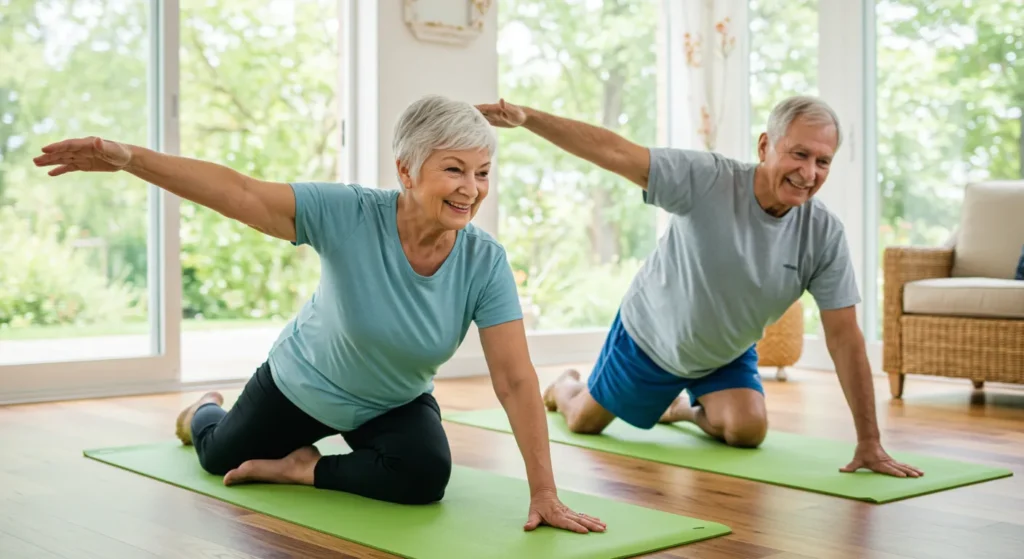
Remember the last time you knelt to tend your garden or bent to tie your shoes? For many of us, these simple acts become silent reminders of how much our bodies change over time. Tightness where there was once ease. Stiffness where flexibility once lived. But what if reclaiming that freedom wasn’t about turning back the clock—just working with it?
Our bodies are designed to move, yet modern life often conspires against natural motion. Sitting for hours. Standing with poor posture. Avoiding movements that feel “risky.” Over time, these habits quietly steal our range of motion—especially in the pivotal areas connecting our legs to our core. When these regions stiffen, everyday joys like walking through the park or rising from a chair become challenges.
We’ve worked with physical therapists and aging specialists to create hip mobility exercises and movements that respect your body’s history while building its future. These aren’t trendy workouts demanding peak performance. They’re practical, research-backed strategies to maintain what matters most: your ability to live life on your terms.
Key Takeaways
- Daily movement quality impacts independence more than intensity
- Gentle hip mobility exercises and stretches can improve circulation and reduce stiffness
- Home-friendly routines require no special equipment
- Progress tracking builds confidence and motivation
- Consistent practice prevents age-related mobility decline
Understanding Hip Mobility and Its Importance
Recall the ease of bending down to pick up a grandchild or reaching for a high shelf. These actions rely on what experts call usable range of motion—your joints’ ability to move freely while maintaining stability. Unlike simple flexibility, true mobility requires strength to control every inch of movement.
Your body’s largest ball-and-socket joint acts like a biological universal joint. It rotates, bends, and extends to support walking, sitting, and standing. When this area loses its full capacity, everyday tasks become labored. Climbing stairs feels like scaling a mountain. Rising from chairs turns into a three-point maneuver.
Research reveals a critical insight: restricted joint function often leads to compensation patterns. Weak glutes force lower back muscles to overwork. Tight flexors tilt the pelvis forward, straining the spine. This domino effect explains why maintaining mobility isn’t just about comfort—it’s about preserving your body’s natural movement chain.
We measure progress not by yoga poses mastered, but by life lived fully. Can you tie shoes without groaning? Shift positions in bed pain-free? These quiet victories define functional independence. Consistent care for your joints today means fewer limitations tomorrow.
Hip Mobility Exercises: Benefits for Active Senior Living
Picture yourself walking through an autumn park, leaves crunching underfoot. That simple pleasure depends on something most never consider: how freely your legs swing from their base. When this area functions well, life flows differently.
Stiffness here creates a ripple effect. Tightness in front limits stride length. Weakness behind strains the lower back. Our clinical partners note: “Seniors lose independence first in small motions—stepping off curbs, pivoting in kitchens.”
| Benefit | Physical Impact | Daily Life Improvement |
|---|---|---|
| Better Balance | Stronger glute activation | Reduced fall risk on uneven surfaces |
| Pain Reduction | Proper pelvis alignment | Easier standing from seated positions |
| Full-Body Comfort | Less spinal compression | Longer walking distances without fatigue |
We’ve tracked consistent patterns. Those maintaining joint health report 40% fewer balance concerns. Why? Flexible bases let your body distribute weight evenly. No single muscle group overcompensates.
The mental shift matters as much as physical gains. Clients describe renewed confidence navigating crowded spaces or airports. One 72-year-old shared: “I finally joined my granddaughter’s dance recital—didn’t worry about tripping.”
Your frame works as a connected system. Nurture its foundation, and every movement becomes more fluid. That’s how lasting independence gets built—one deliberate stretch at a time.
Hip Mobility Exercises: When Movement Becomes Powerful?
Movement becomes powerful when paired with respect for your body’s needs. We design every routine to honor your current capabilities while building strength gradually. As physical therapist Dr. Kuta advises:
“A regular exercise routine is always best for prevention—but consult a professional if stiffness limits daily activities.”
Before starting any new activity, discuss it with your healthcare provider. This is especially vital if you have joint concerns or chronic conditions. Proper positioning matters—whether standing, sitting, or working on the floor. Keep knees aligned over ankles during stretches to protect joints.
Discomfort during movement isn’t normal. Persistent tightness in your hip flexors or groin area warrants a medical evaluation. Our approach focuses on evidence-based modifications:
- Adjust floor exercises to seated positions if needed
- Use chairs for balance support during standing moves
- Limit range of motion until muscles warm up
Start with short sessions—even 5 minutes daily builds habits. Never push through sharp pain. Quality trumps quantity: better to perform three precise repetitions than ten sloppy ones. Your journey matters more than the pace.
We prioritize techniques that strengthen hip flexors without strain. Remember—progress feels like gentle challenge, not struggle. Celebrate small wins, whether reaching a lower shelf or rising smoothly from your favorite chair.
How to Start With Hip Mobility Exercises for Seniors
Ever notice how your favorite chair molds to your shape over time? Our bodies adapt similarly—unless we consciously reshape them. These carefully selected movements help maintain your natural movement patterns while respecting age-related changes.
Start with seated hip circles to warm cold joints. Sit tall, hands on armrests. Lift one knee slightly, rotating your thigh outward like drawing circles on the floor. Alternate directions after five repetitions. This gentle motion lubricates joints without strain.
For stability-building, try modified bridges. Lie on your back with knees bent. Press through your feet, lifting hips until shoulders and knees align. Hold three seconds, then lower slowly. Add challenge by extending one leg mid-lift—keep knees soft to protect joints.
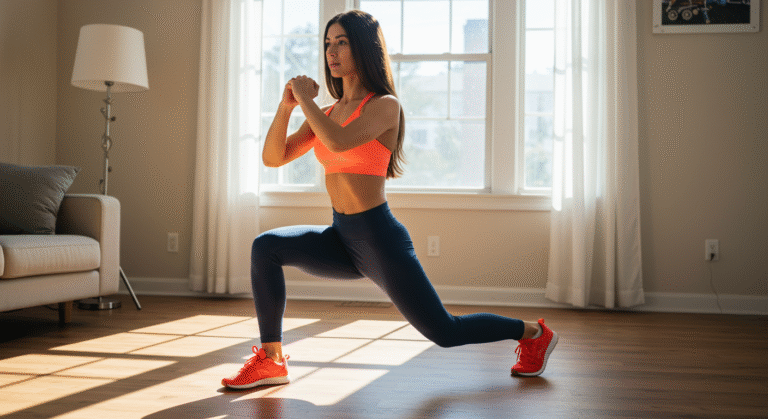
- Half-kneeling stretches: Place a pillow under your knee. Press forward until feeling tension along the front thigh
- Side-step drills: Loop a resistance band above knees. Take 10 small steps sideways, maintaining slight squat position
- Balance practice: Hold a chair back with one hand. Hinge forward slightly, extending one leg behind you
Focus on controlled movements rather than speed. As physical therapist Marla Gibson notes: “Quality repetitions build lasting strength better than rushed sets.” Most routines need only bodyweight—add light bands when movements feel effortless.
Consistency matters more than duration. Three focused minutes daily beats weekly marathon sessions. Track progress through practical wins: easier shoe-tying, smoother stair navigation, or pain-free gardening sessions. Your body rewards what you repeat.
Tips for Building an Effective Hip Mobility Routine
Think of joint care like brushing your teeth—small, consistent efforts prevent bigger issues. Start with three 10-minute sessions weekly. Consistency beats marathon workouts—better to move gently multiple times daily than exhaust yourself once.
| Exercise Parameter | Recommendation | Muscle Focus |
|---|---|---|
| Sets | 2-3 | Full range of motion |
| Hold Time | 2-3 seconds | Glute activation |
| Reps per Side | 3-5 | Balanced strength |
Physical therapist Dr. Elena Torres advises:
“Master 2-3 basic exercises before progressing. Fluid motion matters more than reps.”
Track progress through life’s little victories. Can you reach higher shelves? Rise from chairs without pushing off? These markers show real improvement.
Pair hip mobility exercises with daily habits. Try seated circles during TV ads or standing stretches while brewing coffee. Short sessions feel manageable—and compound over time.
Modify based on energy levels. Some days, focus on gentle motion. Others, challenge your range. Listen to your body like you’d adjust a thermostat—small tweaks maintain comfort.
Enhancing Your Routine with Supportive Products and Practical Advice
Ever struggled to retrieve a dropped item or pivot safely in tight spaces? Simple tools can transform daily movements. We’ve curated affordable solutions that adapt to your living space—no gym membership required.
Resistance bands prove invaluable for building strength. Place one above your knees during side-steps to activate glutes. For seated stretches, loop a towel around your foot to gently improve ankle and calf flexibility. Household items become exercise allies—a sturdy chair back offers balance support during standing moves.
Create a safe practice zone with three essentials:
- Clear floors free of tripping hazards
- Non-slip mat or folded towels for floor work
- Phone within arm’s reach during sessions
Yoga blocks help modify stretches if reaching the floor strains your shoulders. Track progress with basic fitness watches—they monitor daily steps without complex tech. Remember: Consistency matters more than gear. Most routines thrive with just bodyweight and determination.
When choosing equipment, prioritize versatility. Physical therapist-approved picks include:
| Tool | Use Case | Budget Option |
|---|---|---|
| Resistance Band | Strengthening side steps | $12-$20 |
| Yoga Block | Modified stretches | Stacked books |
| Balance Pad | Standing exercises | Folded blanket |
Your environment shapes success. Bright lighting helps maintain proper form. Keep frequently used tools near your favorite chair for seamless integration into daily life. Small adjustments create lasting change—explore our related guides for more home-friendly wellness strategies.
Conclusion
Imagine hip mobility exercises and movement as a conversation with your body—each gentle stretch builds understanding between muscles and joints. Through consistent care, you maintain the strength needed for life’s simple joys: bending to pet a dog, stepping onto curbs, or swaying to your favorite song.
We’ve shared hip mobility exercises and strategies to nourish your body’s foundation. Focus on quality over intensity—whether holding stretches for a few seconds or activating your glutes during daily tasks. Progress lives in the small choices: opting for stairs, pausing to realign your posture, or modifying movements when needed.
Ready to expand your practice? Explore our resources on balance improvement and safe strength-building techniques. Your journey toward sustained independence grows stronger with every mindful motion—starting right where you are today.
Disclaimer: The information provided is for educational purposes only, not a substitute for professional medical advice. Always consult a healthcare professional.