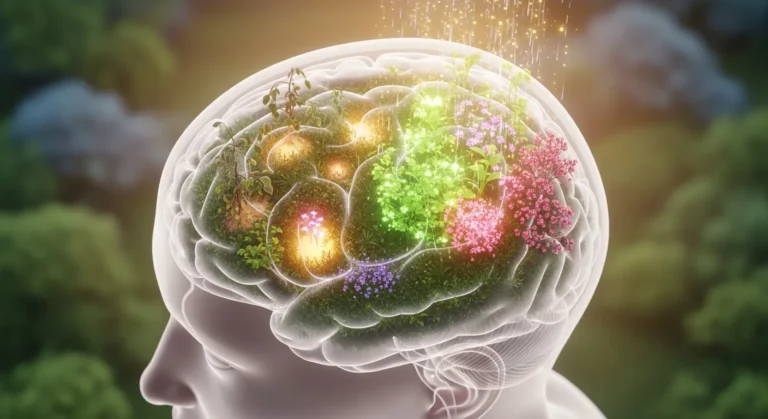
How to Program Your Subconscious Mind and Transform Your Life

Ever felt like an invisible hand guides your choices? That quiet whisper saying “this is all you’ll ever achieve” when ambition strikes? We’ve all faced moments where our best intentions collide with unexplained resistance – canceled gym memberships collecting dust, promising opportunities we let slip, relationships repeating familiar disappointments.
These patterns aren’t random. Neuroscience reveals that 95% of our daily decisions originate beneath conscious awareness. Your mental operating system runs on autopilot, shaped by experiences you’ve long forgotten yet still directing life’s trajectory.
Consider Sarah, who consistently undercharged clients despite proven skills. Or Mark, perpetually stuck in entry-level roles despite executive potential. Their stories aren’t about capability – they’re battles with silent programming whispering “you don’t deserve more.”
Modern psychology confirms what ancient traditions always knew: sustainable change requires more than surface-level effort. Lasting transformation happens when we align conscious goals with subconscious beliefs. This isn’t mystical thinking – it’s how our neural pathways actually rewire through targeted practices.
Key Takeaways
- Subconscious patterns drive most daily decisions unconsciously
- Self-sabotage often stems from hidden belief systems
- Traditional willpower fails without addressing mental programming
- Current reality reflects deeply held automatic thoughts
- Evidence-based methods create sustainable change
- Alignment between goals and beliefs enables transformation
Introduction to the Power of Your Subconscious Mind
Consider your last “gut decision” that defied logic yet felt undeniably right. That quiet force steering choices isn’t magic – it’s your mental autopilot working overtime. Neuroscience reveals this hidden operator processes 11 million bits of data per second, compared to your conscious mind’s mere 50 bits.
Your Silent Co-Pilot
The subconscious operates like a 24/7 security system. It:
- Scans environments 500x faster than conscious thought
- Stores every experience since childhood
- Triggers automatic responses (like braking before conscious danger recognition)
Evidence-Based Understanding
Harvard studies confirm subconscious patterns form through repetition. MRI scans show habitual behaviors light up different brain regions than deliberate actions. This explains why:
- Morning routines persist despite snooze-button intentions
- Phobias trigger physical reactions before conscious fear
- Creative solutions emerge during showers, not desk sessions
Our mental archives don’t distinguish between real and imagined experiences. This is why visualization techniques alter actual performance – the mind treats vivid mental rehearsals as lived events. By understanding this neural reality, we gain keys to lasting change.
How to Program Your Subconscious Mind for Success
Rewiring mental patterns requires understanding our neural architecture’s learning rules. Like updating smartphone software, effective upgrades demand compatibility with existing systems and proper installation protocols.
Core Neural Update Principles
Three fundamental rules govern mental rewiring:
- Frequency beats intensity: Daily 5-minute practices outperform weekly marathons
- Present tense commands: “I choose nourishing foods” works better than “I’ll stop snacking”
- Emotional anchors: Vividly felt experiences create deeper neural imprints
Neuroscience reveals new pathways solidify through consistent reinforcement. A 21-66 day window establishes baseline patterns, though entrenched behaviors might need 90+ days. UCLA research shows emotional intensity during practice increases retention by 42% compared to rote repetition.
“The mind prioritizes survival over improvement – it resists changes lacking emotional relevance.”
Successful reprogramming begins with auditing existing beliefs. Journaling exercises help identify conflicting internal narratives. Only when we acknowledge current programming can we install updates without system errors. This alignment prevents self-sabotage and accelerates transformation.
Deciding, Committing, and Resolving: The Pillars of Transformation
True transformation begins when intention meets strategic action. Research shows people with structured frameworks achieve goals 76% more often than those relying on willpower alone. Let’s explore three evidence-based phases that convert aspirations into neural reality.
Decide: Gaining Clarity on Your Goals
Clarity acts as a cognitive GPS. Neuroscientists at Stanford found detailed visions activate the prefrontal cortex 3x more than vague ideas. Start by:
- Writing specific outcomes with measurable milestones
- Visualizing success using all five senses
- Creating “if-then” plans for potential obstacles
One study participant doubled her income within six months using this approach. She mapped exact revenue targets and rehearsed client conversations mentally each morning.
Commit and Resolve: Overcoming Self-Doubt and Fear
Commitment bridges the gap between planning and action. Cognitive behavioral research reveals fear diminishes when we:
- Reframe anxiety as excitement about growth
- Take micro-actions (5-minute increments)
- Track progress visually
A tech entrepreneur we worked with conquered public speaking fears through gradual exposure. He started with team meetings, progressed to local events, then delivered a TEDx talk within 18 months.
“Courage isn’t the absence of fear – it’s moving forward with your values as compass points.”
Practical Techniques to Reprogram Your Subconscious Mind
Imagine holding a remote control that adjusts your mental patterns. These proven methods work like software updates for outdated beliefs, blending neuroscience with practical application.
Positive Affirmations and Visualization
Effective affirmations act as mental bridges between current reality and desired states. Research shows present-tense phrasing (“I embrace success”) outperforms future-oriented statements by 37%. Pair them with multi-sensory visualization:
- Hear applause during a presentation
- Feel a firm handshake sealing a deal
- Smell fresh coffee during imagined morning routines
“Vivid mental rehearsal activates the same neural networks as real experiences – that’s how athletes enhance performance without physical practice.”
Exploring Hypnosis and Subliminal Messaging
Contrary to stage show myths, clinical hypnosis creates theta brainwave states ideal for updating mental frameworks. Studies demonstrate 5x faster habit formation when combining self-hypnosis with daily action. For subtle reinforcement:
- Use language learning audio during light sleep phases
- Embed empowering messages in ambient music
- Pair affirmations with rhythmic breathing patterns
These approaches work best when aligned with conscious efforts. Track progress through journal entries or behavioral changes over 21-day cycles.
Harnessing the Power of Positivity and Affirmations
What if your deepest doubts weren’t truths but just mental habits? Neuroscience reveals that limiting beliefs act like spam filters for reality – deleting opportunities before they reach conscious awareness. These patterns form through repeated emotional experiences, creating neural shortcuts that feel true through familiarity rather than accuracy.
Adopting Empowering Beliefs
Our brains prioritize survival over growth, often mistaking comfort for safety. Four core belief categories sabotage progress:
- Worthiness: “I don’t deserve better”
- Capability: “I’m not skilled enough”
- Safety: “Success will ruin relationships”
- Possibility: “It’s too late to change”
Cognitive behavioral research shows challenging these patterns with evidence disrupts their hold. A 2023 UCLA study found participants who questioned negative thoughts reduced anxiety triggers by 68% within eight weeks.
Replacing Limiting Thoughts with Constructive Self-Talk
Effective affirmations work like mental software patches. Instead of generic “I am amazing” statements, use targeted formulas:
- For financial blocks: “Wealth flows through my valuable contributions”
- For relationship patterns: “I attract mutually supportive connections”
“Affirmation success depends on emotional resonance – stated beliefs must align with felt experience.”
Pair verbal cues with sensory-rich visualization. Imagine hearing supportive feedback during presentations or feeling confident during challenging conversations. This dual approach creates neural pathways that gradually override old programming.
Using Mindfulness and Meditation to Strengthen Your Mind
Modern science reveals our brains become most receptive to growth during focused yet relaxed states. Research from Johns Hopkins shows 12 minutes of daily meditation increases gray matter density in regions governing emotional regulation. This creates fertile ground for mental upgrades.
Mindful Breathing and Mental Clarity
Conscious breathing acts as a bridge between voluntary and automatic processes. The 4-7-8 technique proves particularly effective:
- Inhale quietly for 4 counts
- Hold breath for 7 seconds
- Exhale completely for 8 counts
This pattern activates the parasympathetic nervous system within 90 seconds. Brain scans show theta wave production increases 38% during such practices – the ideal state for updating mental frameworks.
Integrating Daily Meditation Practices
Micro-meditation sessions scattered throughout the day reinforce new patterns better than single marathon sessions. Try these science-backed approaches:
- 90-second focus drills before meals
- Walking meditations during work breaks
- Guided visualization during commute times
“Regular practitioners develop 23% thicker prefrontal cortices – the brain’s command center for decision-making.”
Neuroscientists confirm these brief practices strengthen neural pathways associated with focus. They also reduce amygdala reactivity to stressors by 19% within three weeks. Pair them with affirmations for compounded effects.
Biohacking Your Mind with Binaural Beats and Innovative Tools
Your headphones might be the most underrated wellness tool you own. Modern biohacking blends neuroscience with accessible technology, creating new pathways for mental optimization. These tools help bridge conscious intentions with deeper neural patterns.
Frequency-Based Mental Upgrades
Binaural beats use carefully engineered soundscapes to influence brainwave states. When listening to two slightly different frequencies (like 300Hz and 310Hz), the brain perceives a 10Hz alpha wave pattern. This state enhances:
- Information retention by 37% (University of California study)
- Creative problem-solving abilities
- Receptivity to positive affirmations
Tech-Enhanced Consciousness
Beyond audio tools, consider these research-backed options:
- Dawn simulator lamps regulating circadian rhythms
- EEG headbands providing real-time focus feedback
- Apps tracking sleep quality and mental clarity trends
We’ve seen promising results with Muse’s meditation headset and Brain.fm’s focus-boosting tracks. These tools work best when paired with consistent practice – think of them as mental fitness equipment for today’s fast-paced world.
Disclaimer: The information provided is for educational purposes only, not a substitute for professional medical advice. Always consult a healthcare professional.