7 Sleep Hypnosis Techniques That Actually Work (Science-Backed)

Have you ever found yourself staring at the ceiling at 2 AM, your mind racing despite your exhausted body? You’re not alone. Last week, I had a client tell me she’d tried everything—melatonin supplements, white noise machines, even counting backwards from 1000. Nothing worked until she discovered sleep hypnosis.
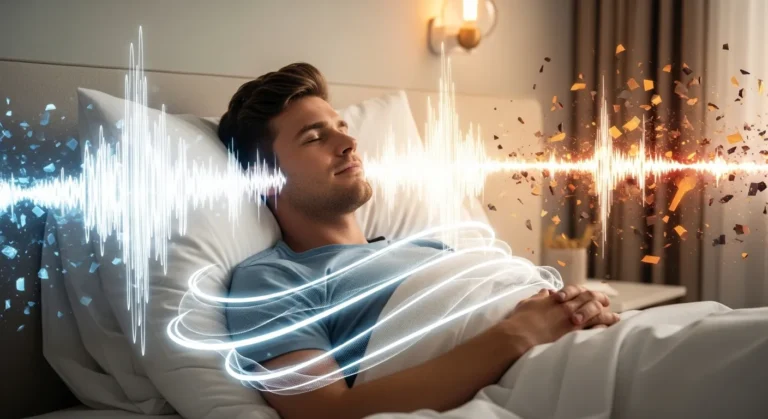
Here’s what might surprise you: sleep hypnosis isn’t about swinging pocket watches or losing control. It’s a scientifically-backed technique that uses guided relaxation to naturally transition your brain from the alert beta waves of daytime to the slow theta and delta waves needed for deep sleep. And the best part? You can start tonight, right from your bed.
Key Takeaways
- Sleep hypnosis works by slowing brainwave activity to promote natural sleep cycles
- Self hypnosis for sleep can reduce time to fall asleep by up to 67%
- Best results come from consistent practice, not perfection
- Free resources are available, making this accessible to everyone
- Works especially well when combined with proper sleep hygiene
What Sleep Hypnosis Really Is (And What It’s Not)
Let’s clear up some misconceptions first. Sleep hypnosis isn’t mind control or mystical mumbo-jumbo. It’s essentially guided meditation specifically designed to ease your transition into sleep.
Think of it like this: your conscious mind is like a chatty roommate who won’t stop talking when you’re trying to rest. Sleep hypnosis gives that roommate something peaceful to focus on—gentle suggestions, calming imagery, and progressive relaxation—so your body can naturally drift off.
Research from Stanford University shows that people who used hypnosis for sleep spent 80% more time in deep sleep compared to those who didn’t. That’s the restorative stage where your body repairs itself and consolidates memories.
The Science: Why Your Brain Loves Sleep Hypnosis
Your brain operates on different frequencies throughout the day. During wakefulness, you’re primarily in beta waves (13-30 Hz). But for quality sleep, you need to transition through:
- Alpha waves (8-13 Hz): Relaxed awareness
- Theta waves (4-8 Hz): Light sleep and REM
- Delta waves (0.5-4 Hz): Deep, restorative sleep
Deep sleep hypnosis acts like a gentle guide, using specific language patterns and breathing techniques to encourage this natural progression. It’s not forcing sleep—it’s removing the obstacles that keep you awake.
7 Proven Sleep Hypnosis Techniques You Can Try Tonight
1. Progressive Muscle Relaxation Hypnosis
Start with your toes and work upward, tensing each muscle group for 5 seconds, then releasing completely. As you release, imagine that tension melting away like warm honey.
“Feel your shoulders dropping away from your ears… notice how heavy and relaxed your arms become…”
2. The Body Scan Method
This self hypnosis for sleep technique involves mentally “scanning” your body from head to toe, acknowledging any tension without judgment, then consciously releasing it.
3. Guided Imagery for Sleep
Picture yourself in a peaceful place—maybe a quiet beach or cozy cabin. Engage all your senses: What do you hear? Feel? Smell? This immersive visualization occupies your conscious mind while your body relaxes.
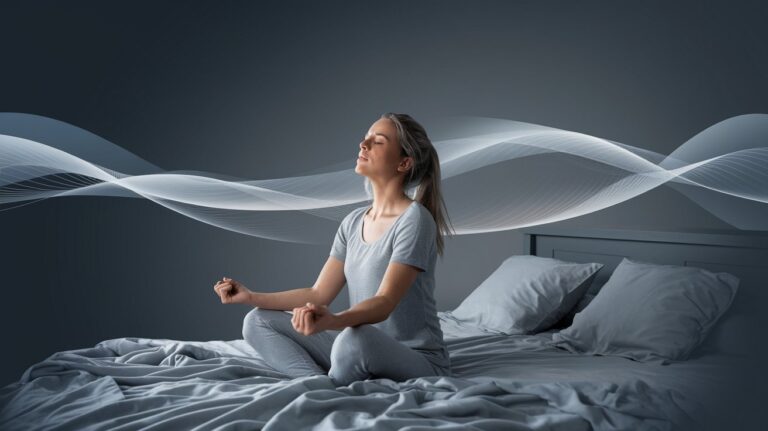
4. Countdown Breathing Hypnosis
Combine breath control with gentle counting:
- Breathe in for 4 counts
- Hold for 4 counts
- Exhale for 6 counts
- With each exhale, count backwards from 100
5. Sleep Story Hypnosis
These are specifically crafted narratives designed to be just interesting enough to prevent mind-wandering, but boring enough to promote sleep. Think of it as the adult version of bedtime stories.
6. Bilateral Stimulation Technique
This involves alternating gentle movements or sounds that help synchronize your brain hemispheres, promoting the transition to sleep. You might imagine walking down a peaceful path, feeling each step alternately.
7. Affirmation-Based Sleep Hypnosis
Combine positive suggestions with relaxation: “With each breath, you’re becoming more relaxed… your body knows exactly how to sleep deeply and peacefully…”
Where to Find the Best Sleep Hypnosis Resources
Free Options That Actually Work
YouTube has thousands of free sleep hypnosis sessions. Look for channels with consistently positive reviews and avoid anything with jarring ads or poor audio quality.
Podcast apps like Spotify offer sleep hypnosis episodes you can download for offline use—perfect if you don’t want your phone’s light disrupting your circadian rhythm.
Premium Options Worth Considering
Apps like Headspace and Calm offer professionally produced sleep hypnosis programs. While they require subscriptions, the quality and variety often justify the cost if you’re serious about improving your sleep.
Sleep meditation apps like Insight Timer provide both free and premium deep sleep hypnosis sessions, often recorded by certified hypnotherapists.
Building Your Perfect Sleep Hypnosis Routine
Before You Begin
Timing matters. Start your session 30-60 minutes before your intended sleep time. This gives your body time to naturally wind down without feeling rushed.
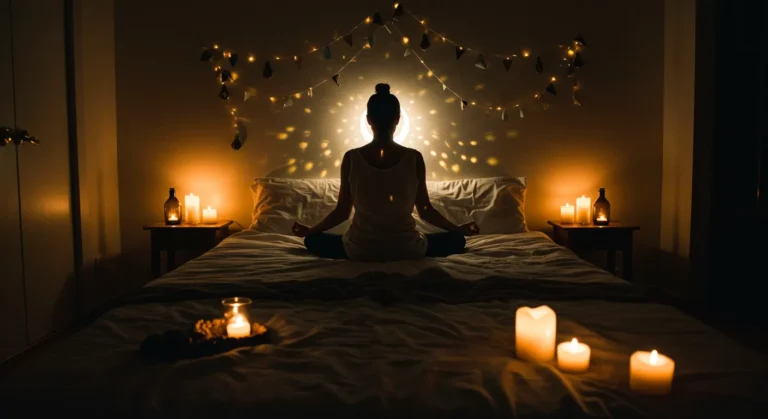
Environment setup is crucial:
- Room temperature between 60-67°F (15-19°C)
- Minimal lighting
- Comfortable sleepwear
- Phone on silent or airplane mode
Your Step-by-Step Process
- Prepare your space 15 minutes before starting
- Choose your session (start with 10-20 minute recordings)
- Get comfortable in your sleeping position
- Focus on the voice, not on “trying” to sleep
- Let go of expectations—some nights work better than others
Common Mistakes That Sabotage Sleep Hypnosis Success
Trying too hard is the biggest barrier. Sleep hypnosis works through allowing, not forcing. If you catch yourself thinking “Is this working yet?”, gently redirect your attention back to the guidance.
Inconsistent practice is another common issue. Like any skill, sleep hypnosis improves with regular use. Try it for at least a week before deciding if it’s right for you.
Wrong timing can also interfere. Avoid sessions right after caffeine, intense exercise, or stressful activities. Your nervous system needs time to downshift.
Combining Sleep Hypnosis with Better Sleep Habits
Sleep hypnosis works best as part of comprehensive sleep hygiene. Consider integrating:
- Blue light blocking 2 hours before bed
- Consistent sleep schedule, even on weekends
- Cool, dark environment for optimal deep sleep
- Limit caffeine after 2 PM
- Regular exercise, but not within 3 hours of bedtime
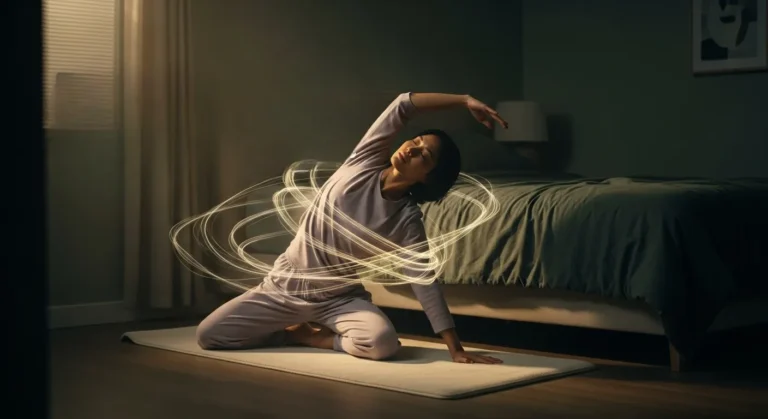
For an extra boost, try gentle yoga before sleep or light stretching before sleep to prepare your body for the hypnosis session.
When Sleep Hypnosis Might Not Be Enough
If you’ve tried sleep hypnosis consistently for 2-3 weeks without improvement, consider underlying issues:
- Sleep disorders like sleep apnea or restless leg syndrome
- Anxiety or depression that might need professional support
- Poor sleep environment (noise, light, temperature issues)
- Medical conditions affecting sleep quality
Remember, better sleep often requires a multi-faceted approach. Sleep hypnosis is an excellent tool, but it works best alongside other healthy sleep habits.
Your Next Steps to Better Sleep
Tonight, try one free sleep hypnosis session. Don’t worry about perfection—focus on the experience and notice what feels most helpful.
Over the next week, experiment with different styles and lengths. Some people prefer deep sleep music combined with hypnosis, while others respond better to simple voice guidance.
Track your sleep quality and how you feel the next day. Many people notice improvements in just a few sessions, but give yourself time to develop this new skill.
Want more practical wellness tips? Check out our guide on natural sleep remedies and explore how breathing exercises for sleep can complement your hypnosis practice for even better results.
Sweet dreams start with the right tools and techniques. Sleep hypnosis might just be the missing piece in your quest for truly restful sleep.
Disclaimer: The information provided is for educational purposes only, not a substitute for professional medical advice. Always consult a healthcare professional.